Macbeth! Macbeth! Macbeth!

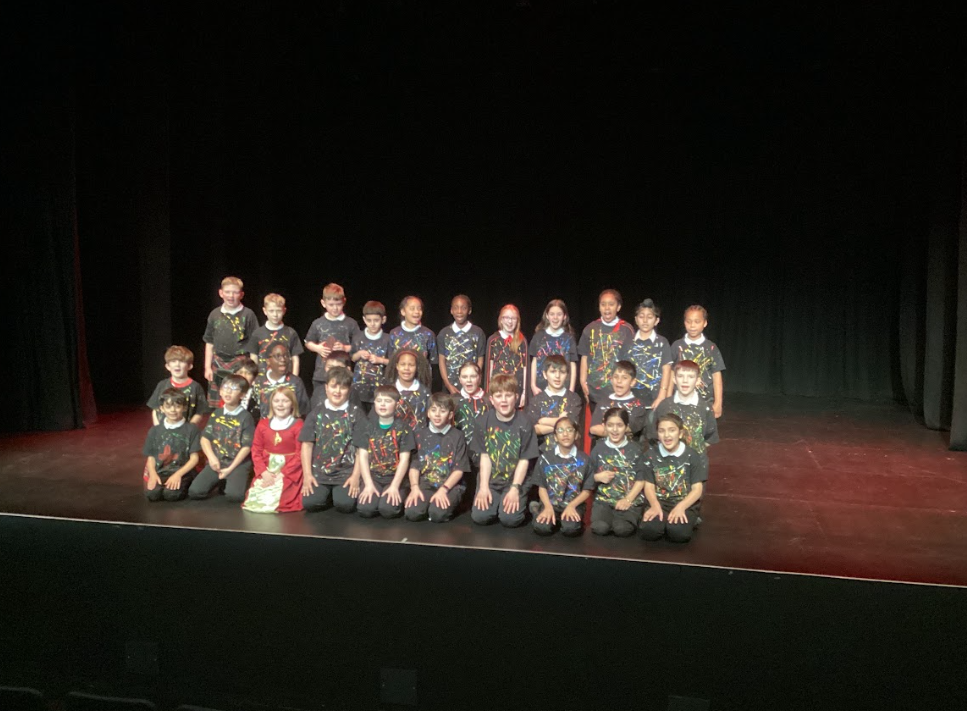
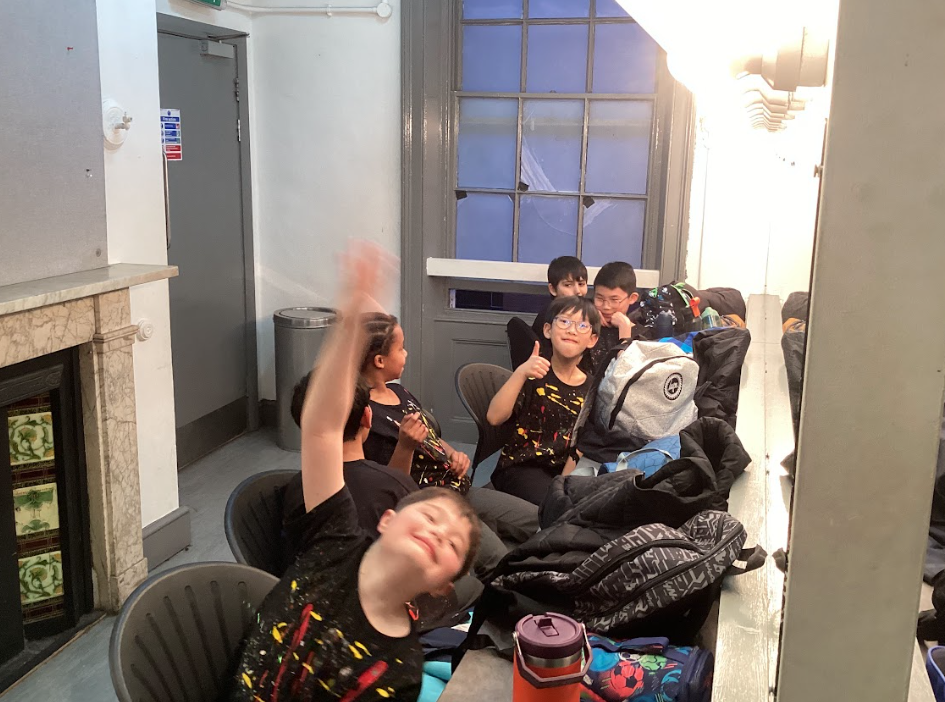
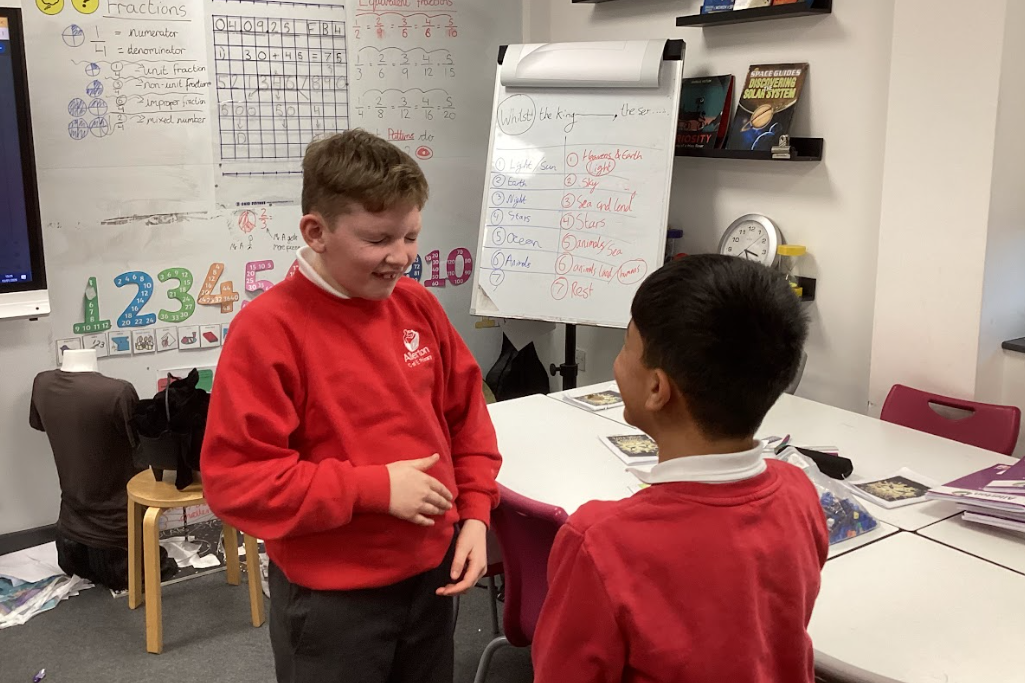
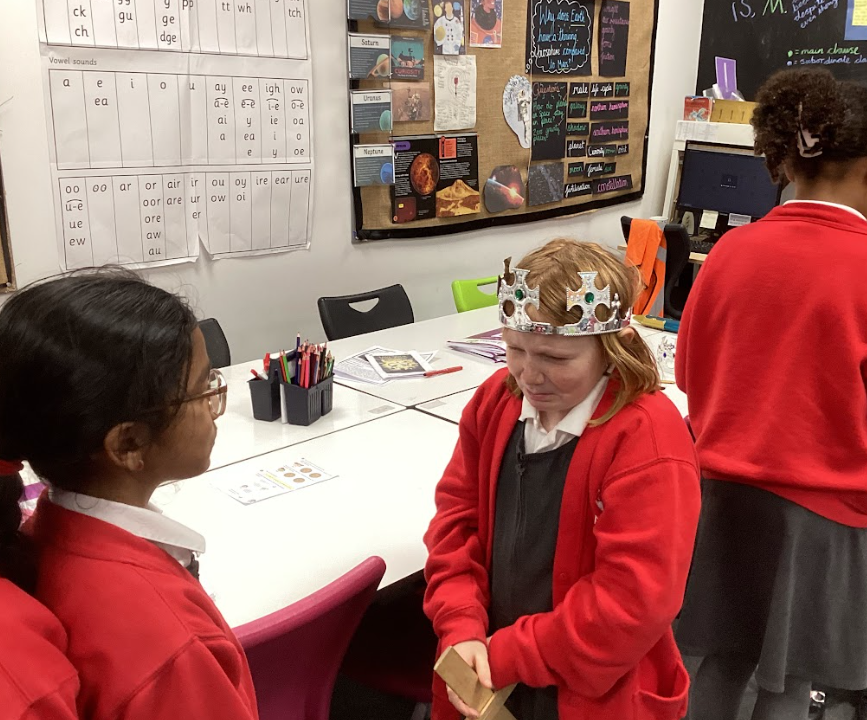
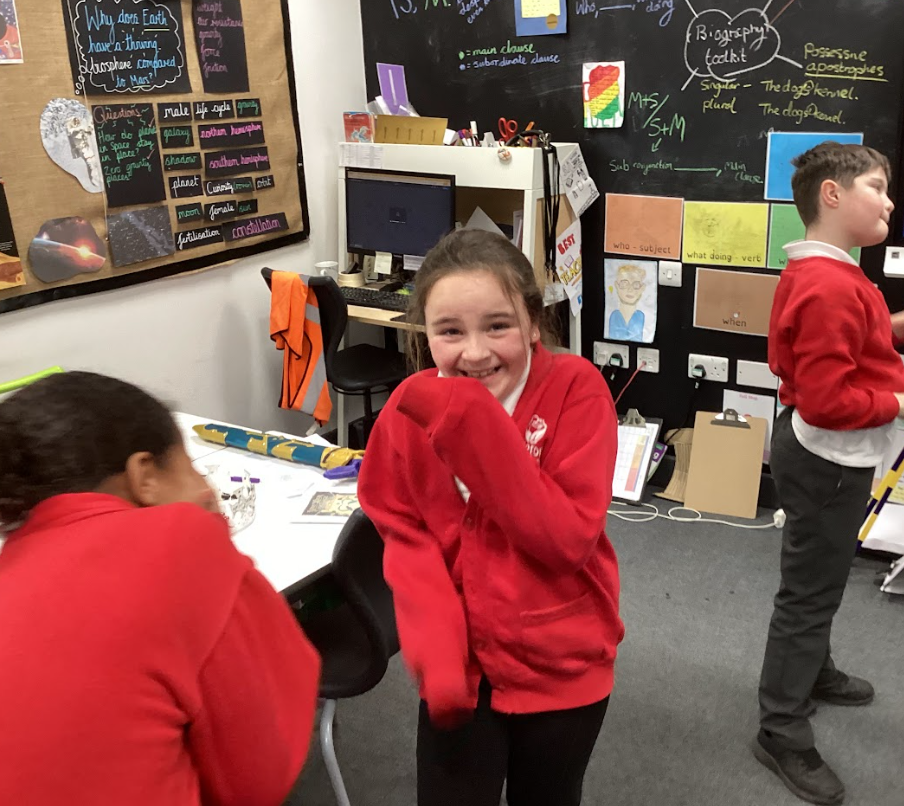
Things got pretty spooky in Class 5A this week as Macbeth Club took centre stage! Our mini-actors dived straight into the drama with a hilarious game of peekaboo. It wasn’t just for laughs though. They used it to practice their best “ghastly” faces and master those intense emotional reactions Shakespeare is famous for.
With their faces warmed up, it was time for the scripts. The room was buzzing as the kids nailed everything from the Witches’ creepy spells to Macbeth’s moody speeches. Their confidence is skyrocketing, and the acting was honestly spellbinding. What a brilliant, noisy, and creative session!
Den Building

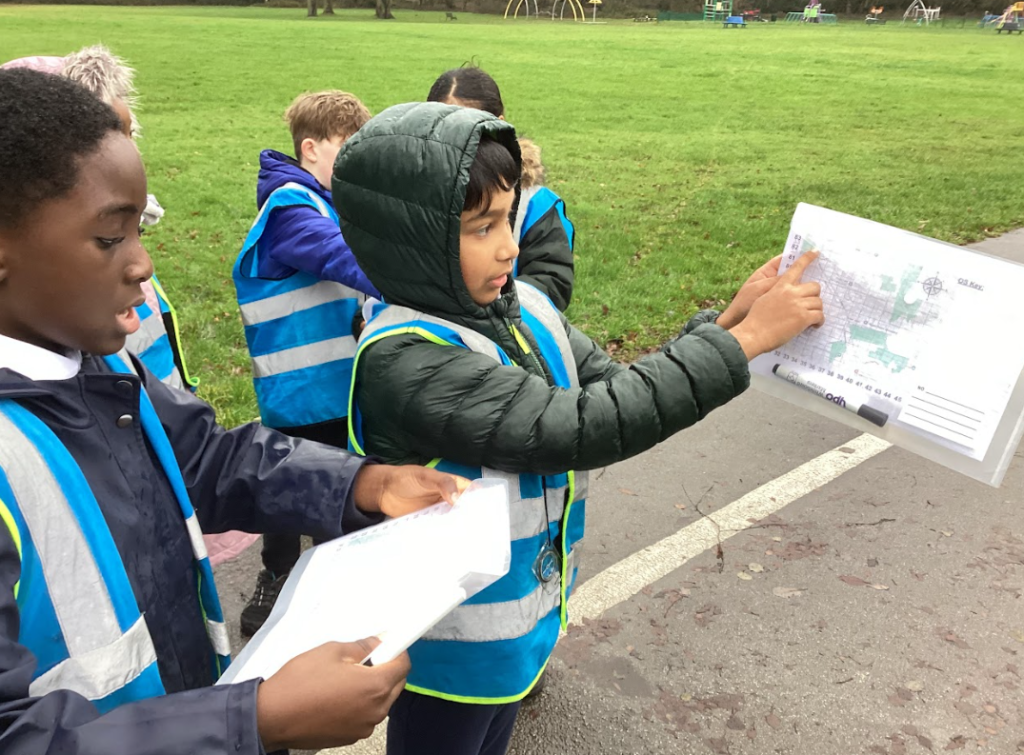
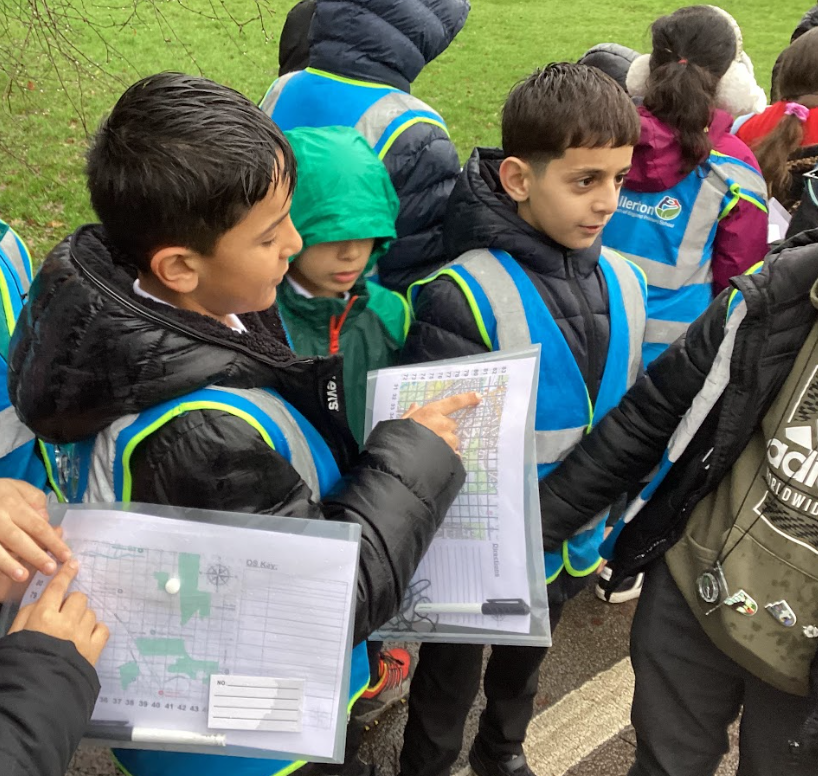
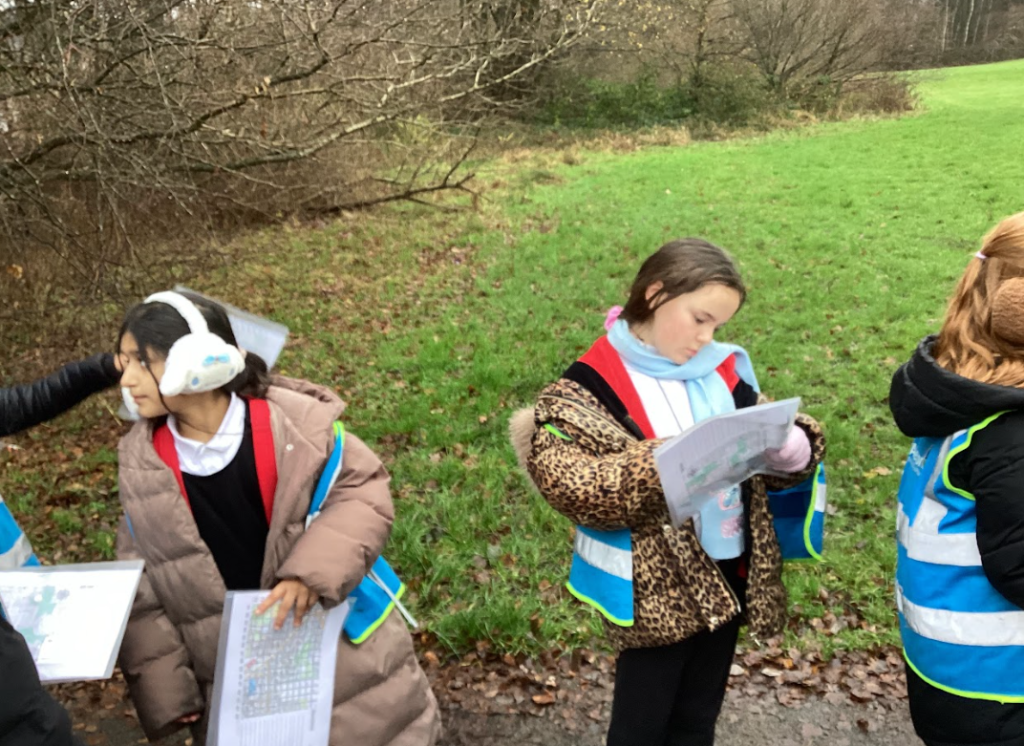
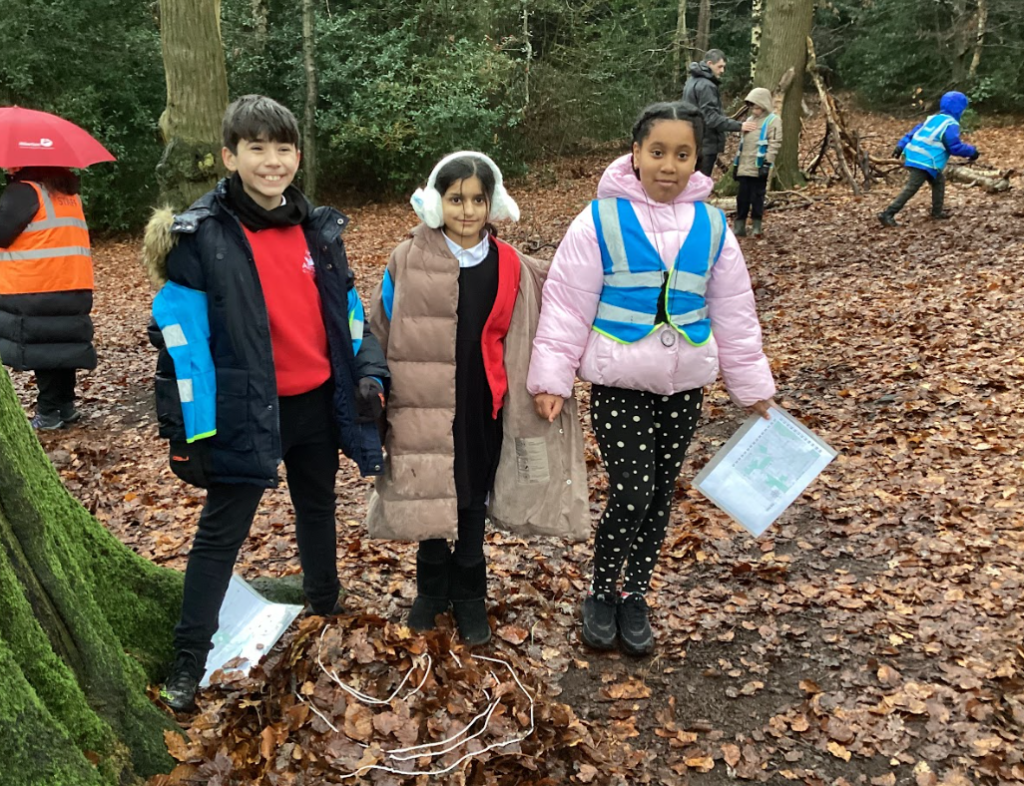
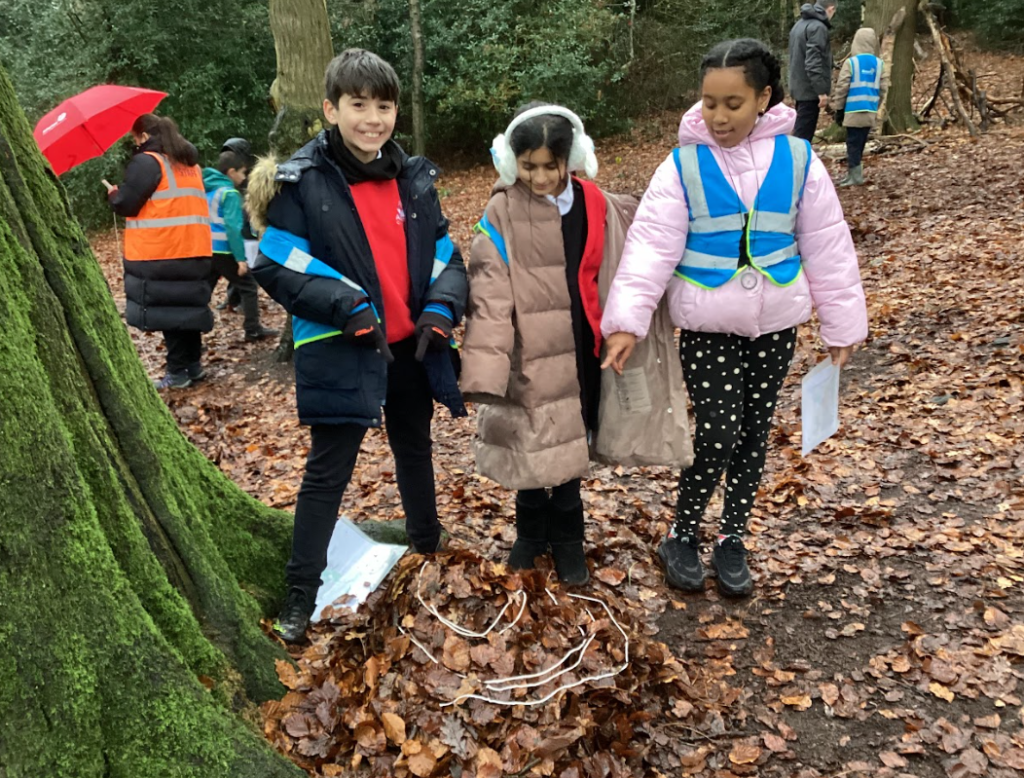
Adventure was in the air as Class 5A set off on their local expedition! Equipped with maps and compasses, our young explorers expertly navigated the winding paths toward the woods, mastering the art of orienteering along the way.

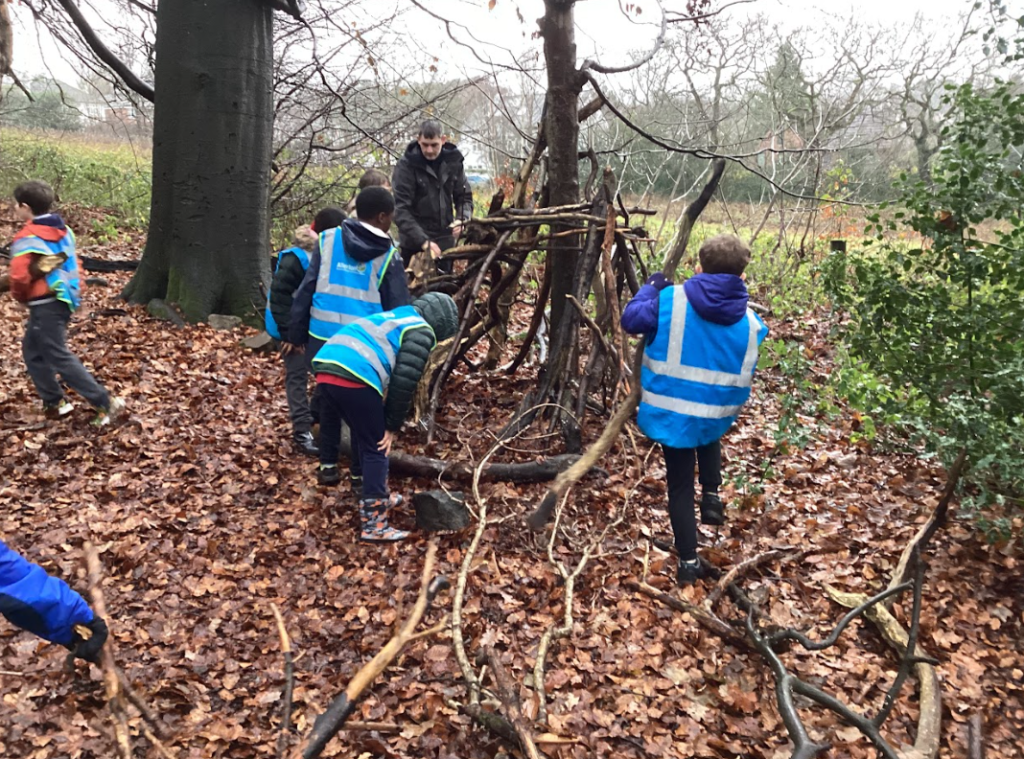
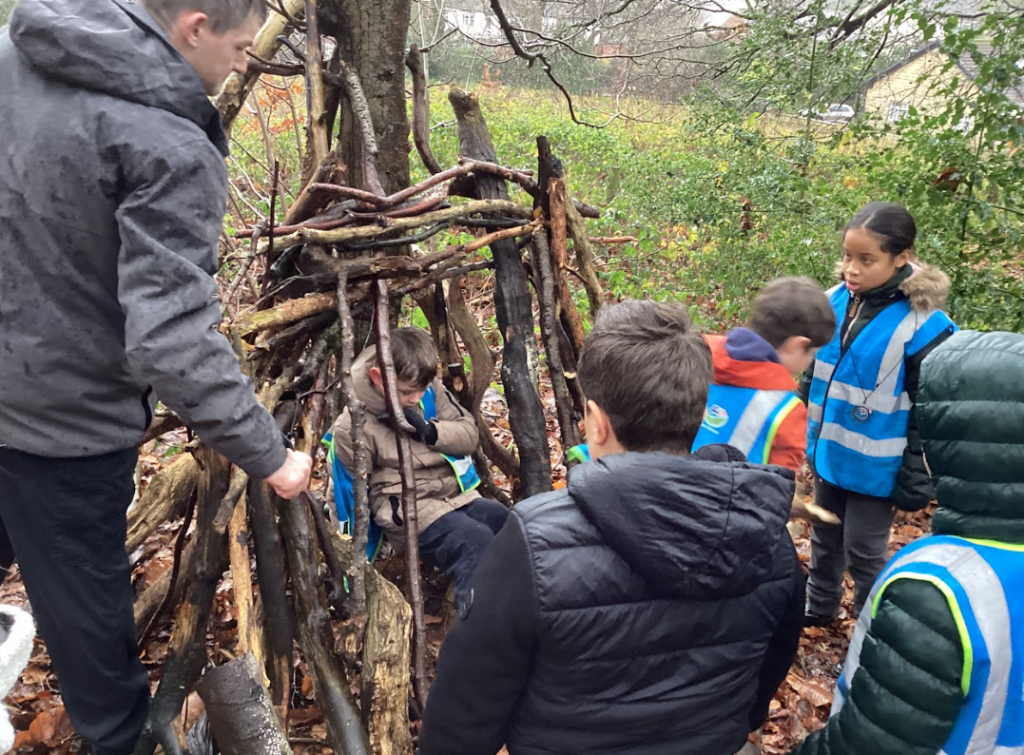
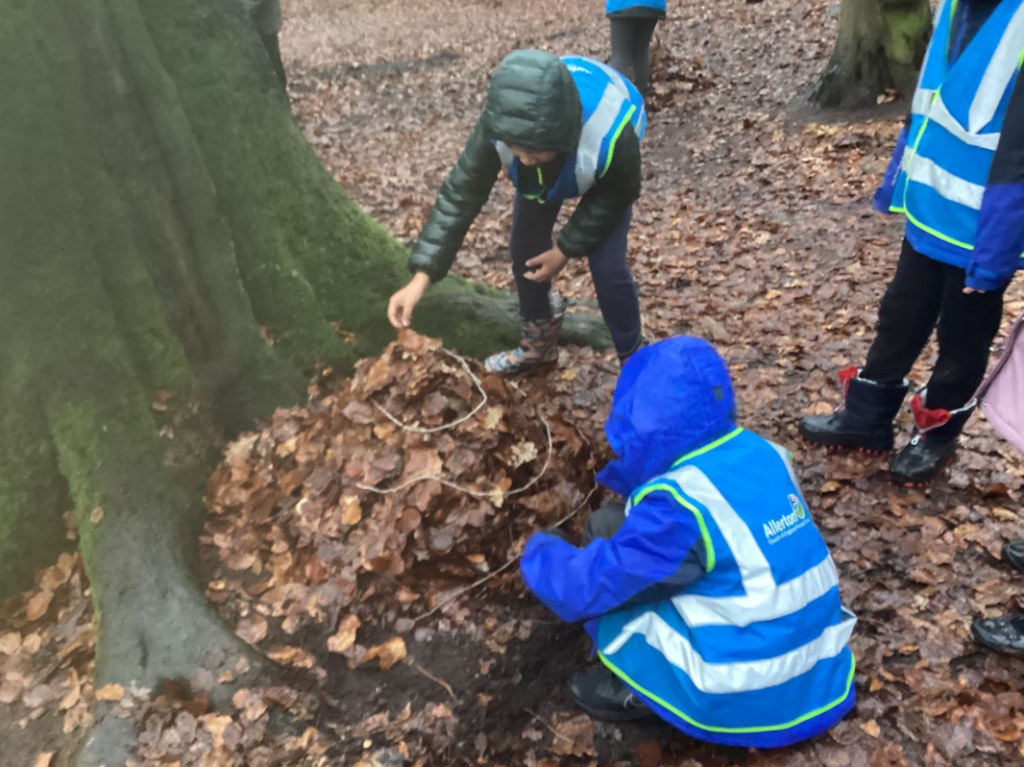
Once under the canopy, the real teamwork began. The children gathered branches and foliage to construct impressive dens, showing great architectural flair. To wrap up the day, they used colourful leaves and string to create detailed topographical maps on the forest floor, representing the terrain they had just traversed. It was a fantastic day of hands-on geography and outdoor creativity!

Terrific Topography

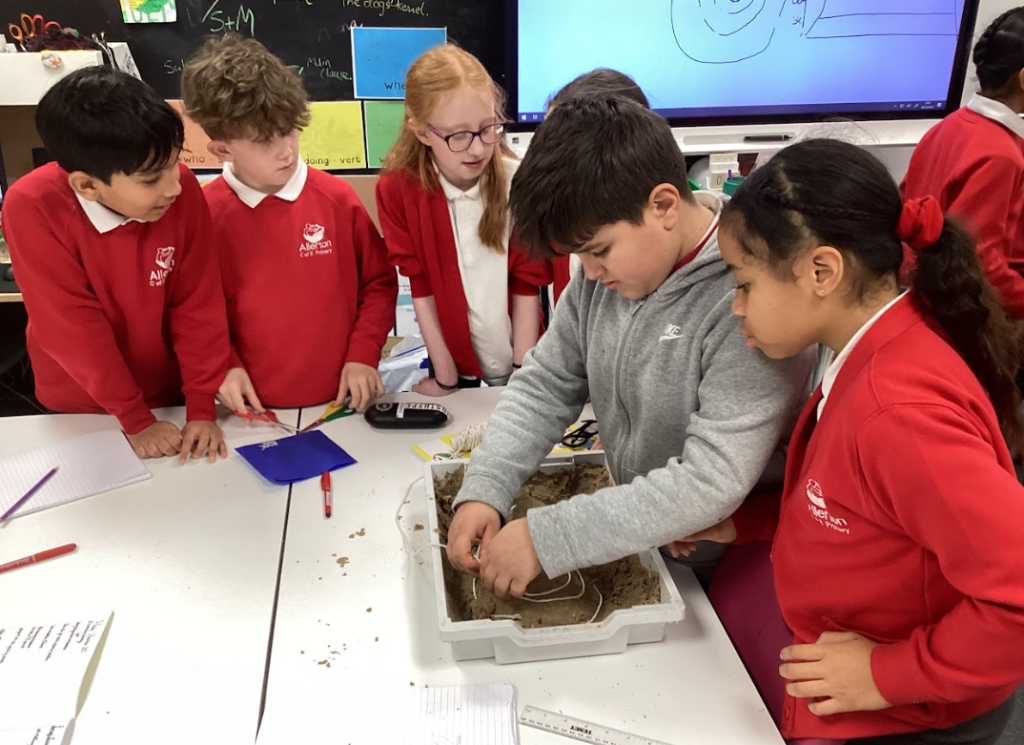
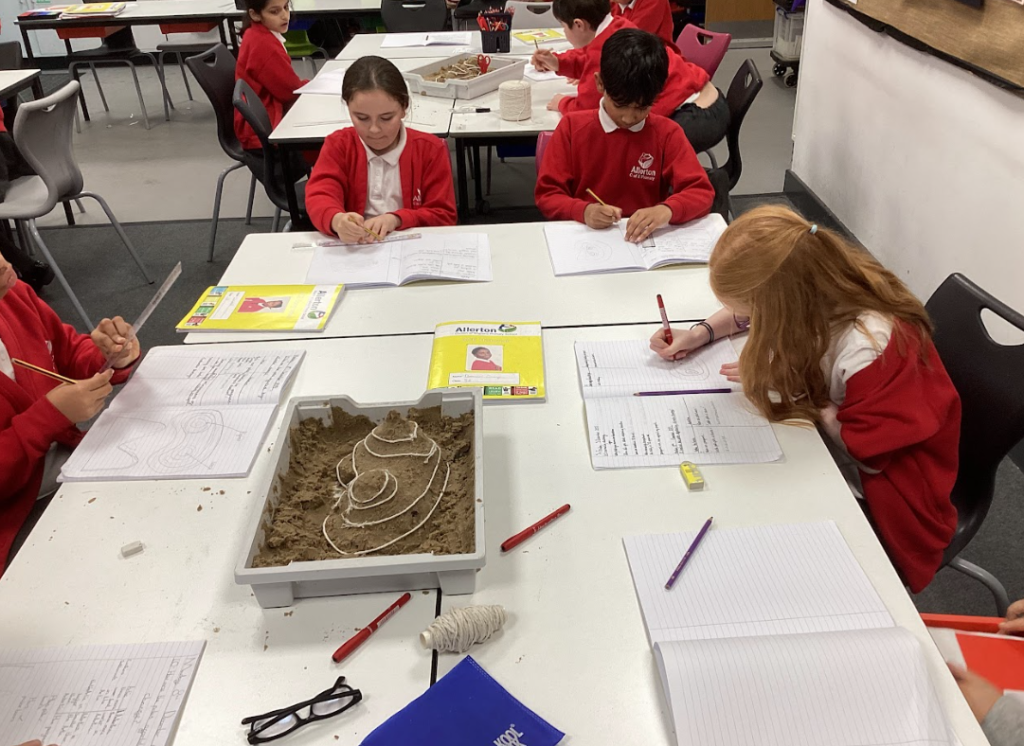
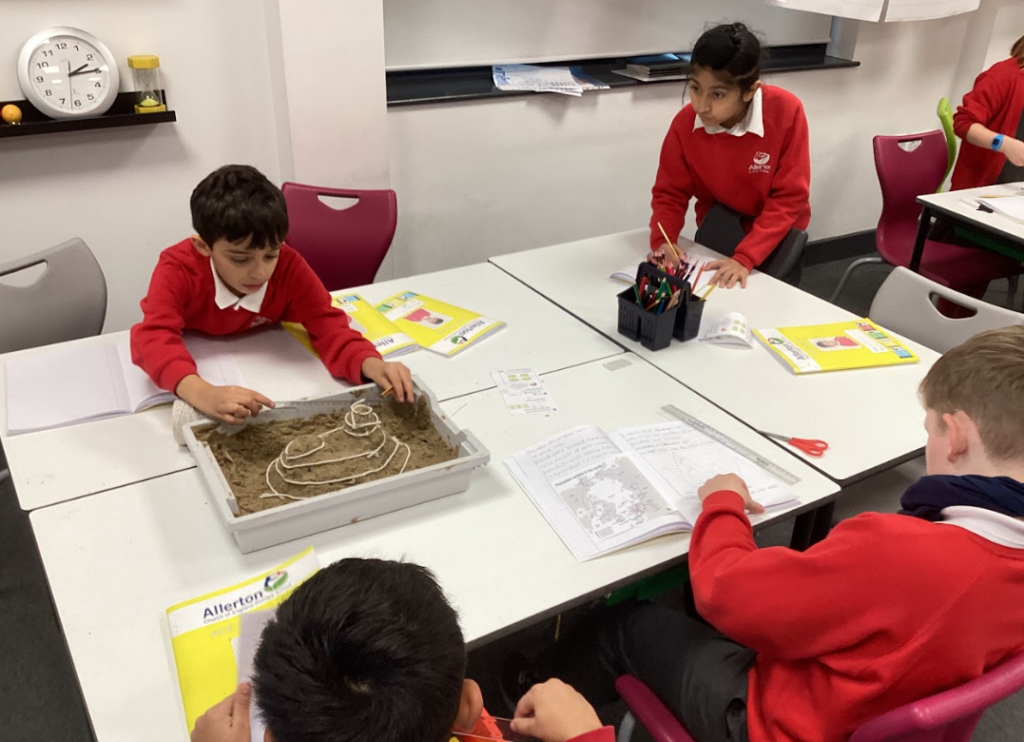
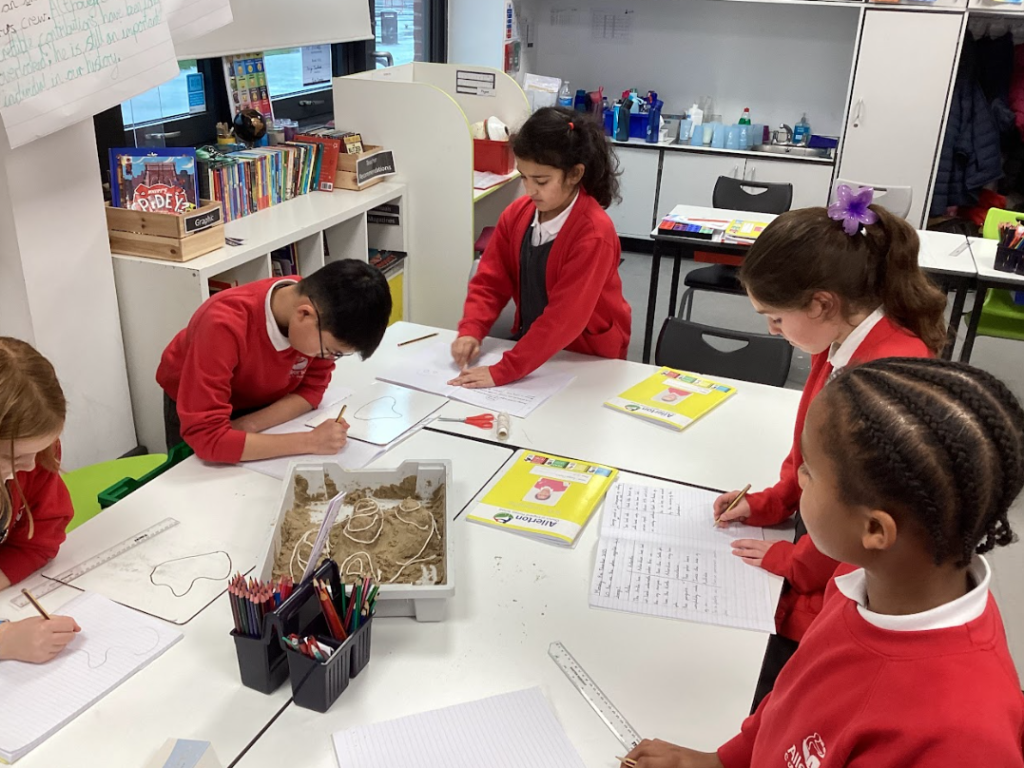
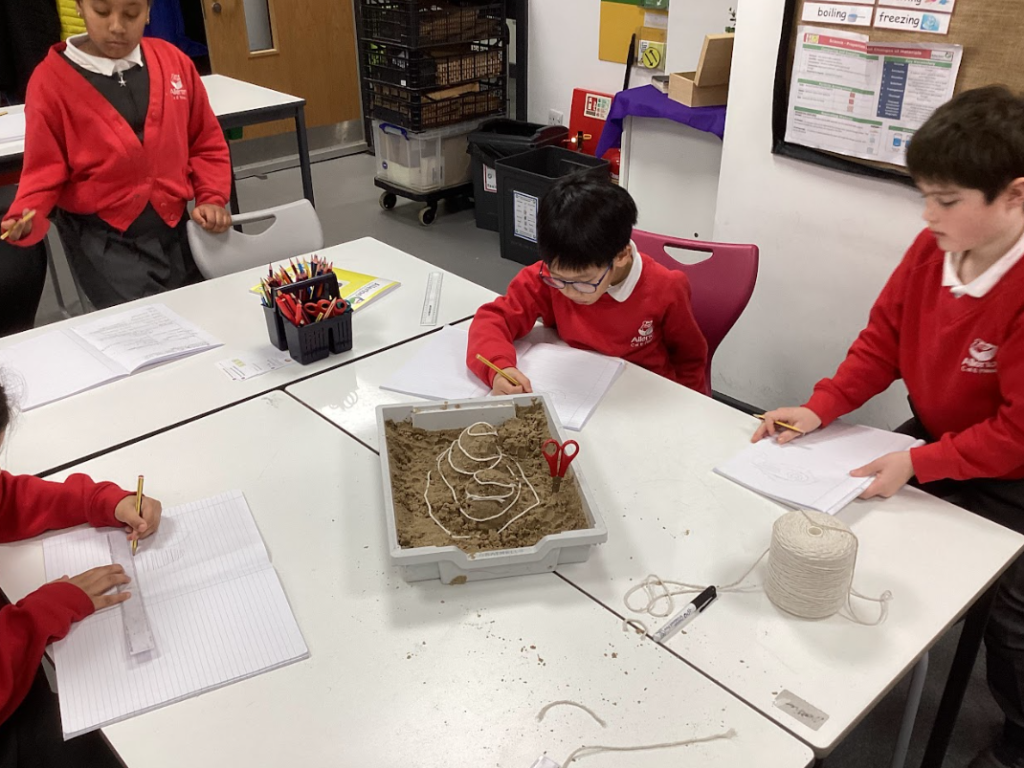
The children in a Geography lesson before the half-term were looking at topographic maps which show elevation from sea level and how high certain terrain is. We used this to look at where glaciers in the world are and compared it to areas of high topography to search for patterns. As topographical maps can be a challenging concept to cover, I decided to give the children a different way of using them.

The children ended up making their own sandcastle mountain terrain and used string to mark the lines of topography around the “mountains”.

Mountain Makers: Y5 and the Earth’s Crust

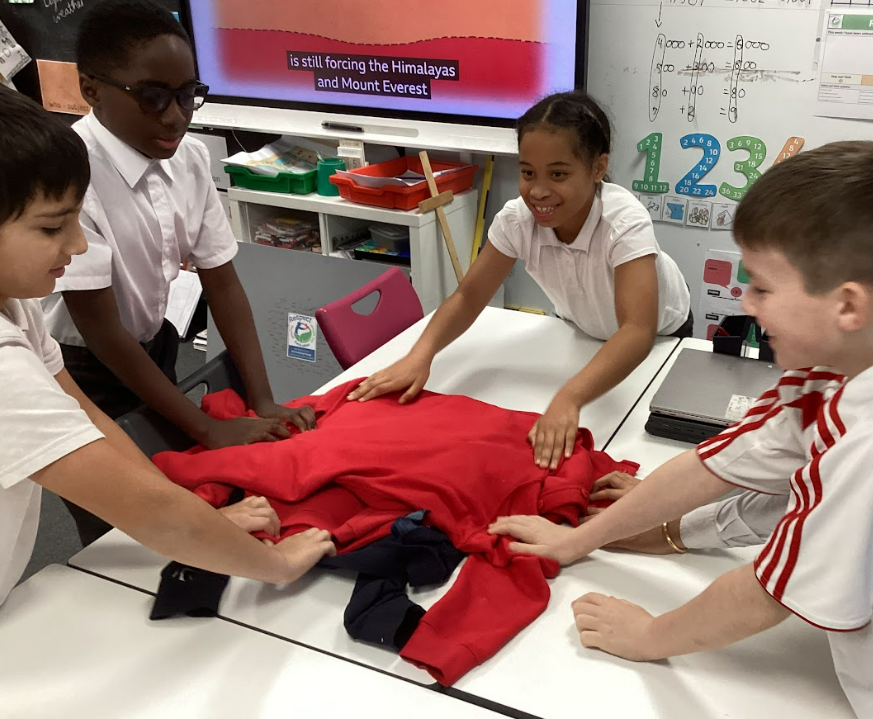
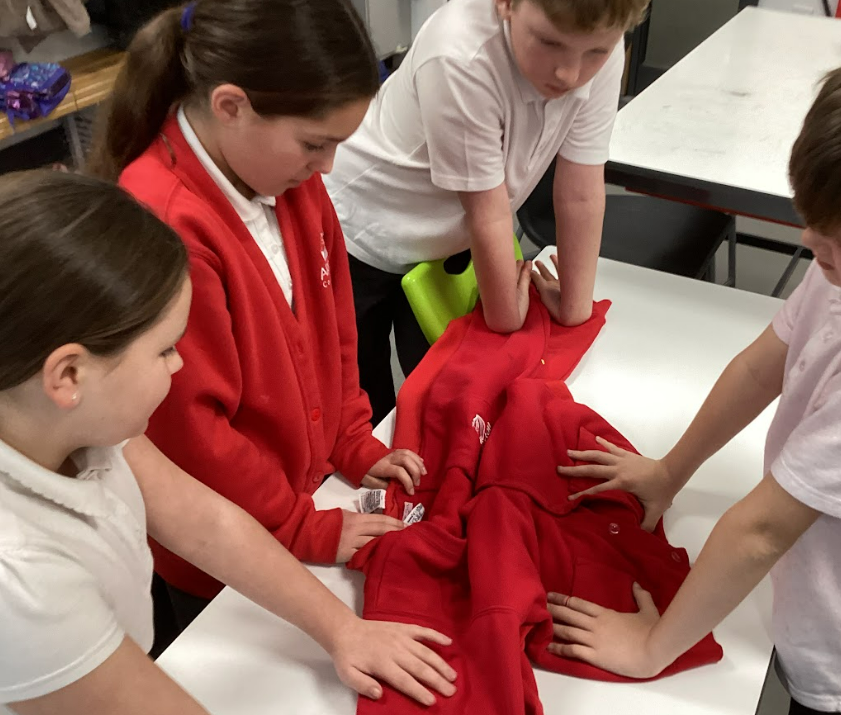
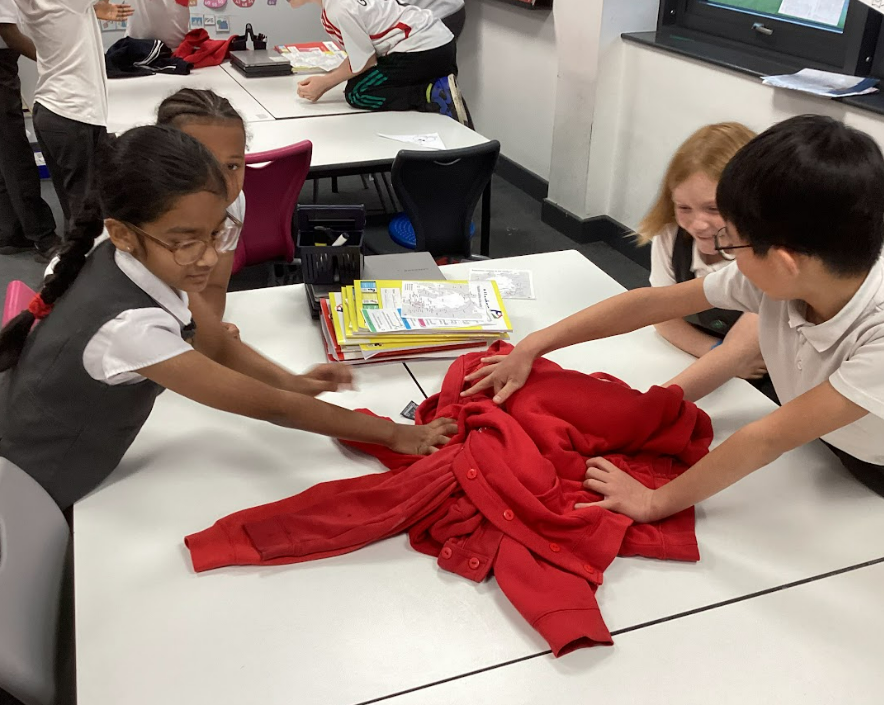
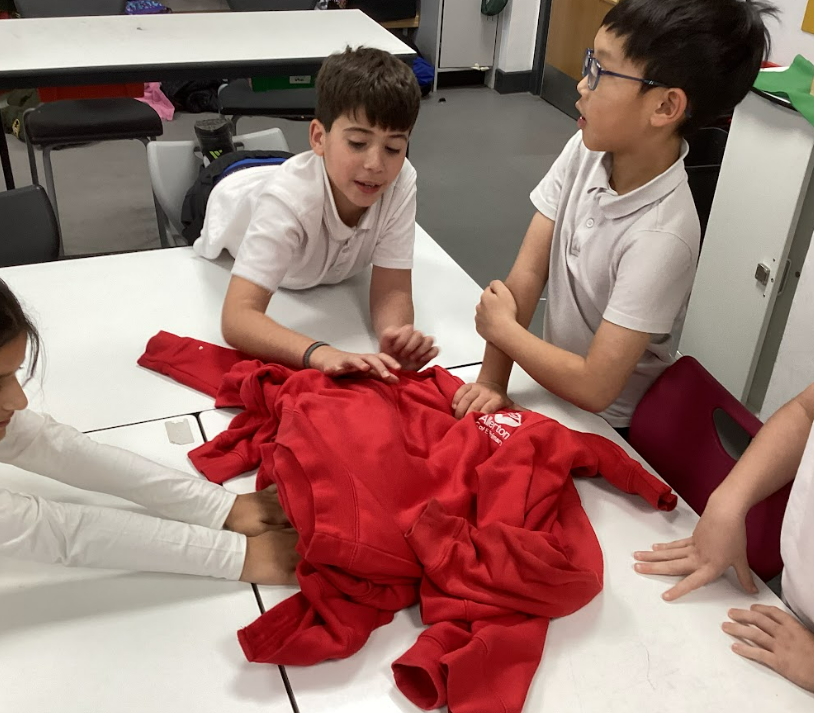
Year 5 took a deep dive into the Earth’s powerful geography, learning all about tectonic plates. We discovered that the Earth’s crust is made of huge, moving pieces, and their collisions create spectacular landscapes. To understand how this happens, we used a brilliant, hands-on model: layers of jumpers!

By pushing the edges of the fabric together, we watched the jumpers wrinkle and rise into fold mountains, just like the Himalayas. This memorable demonstration showed us how slow, immense forces underground shape our world. We now know that our clothes can teach us complex geological processes! It was a brilliant, practical lesson.

Lighting Up Learning: Conductors & Insulators

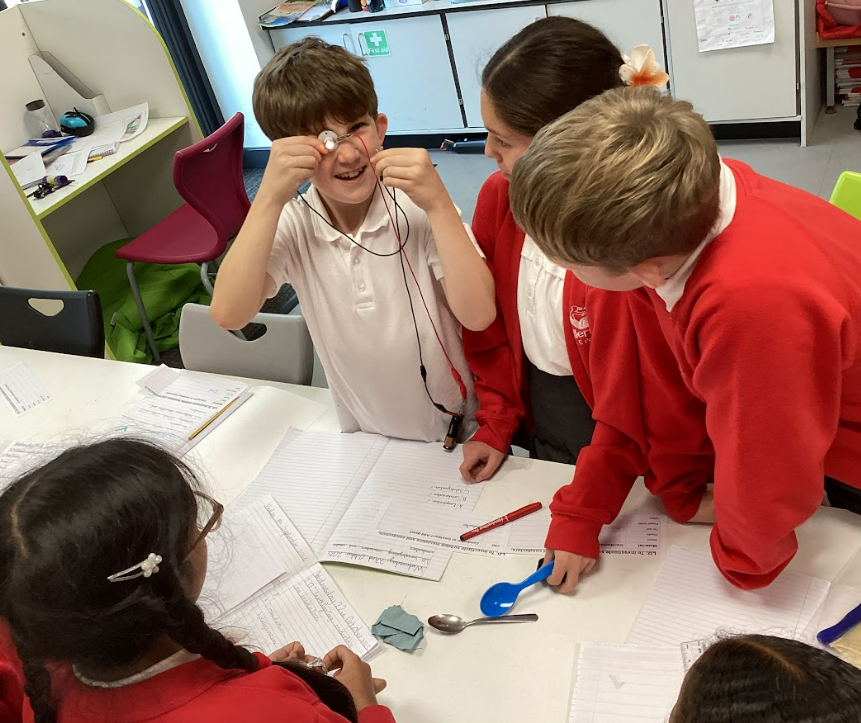
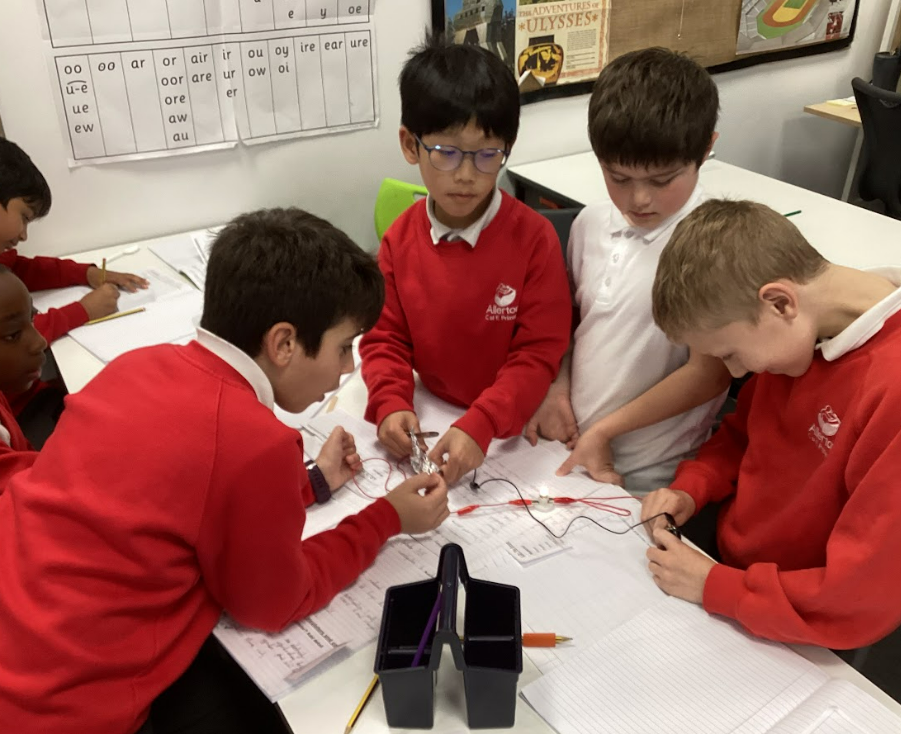
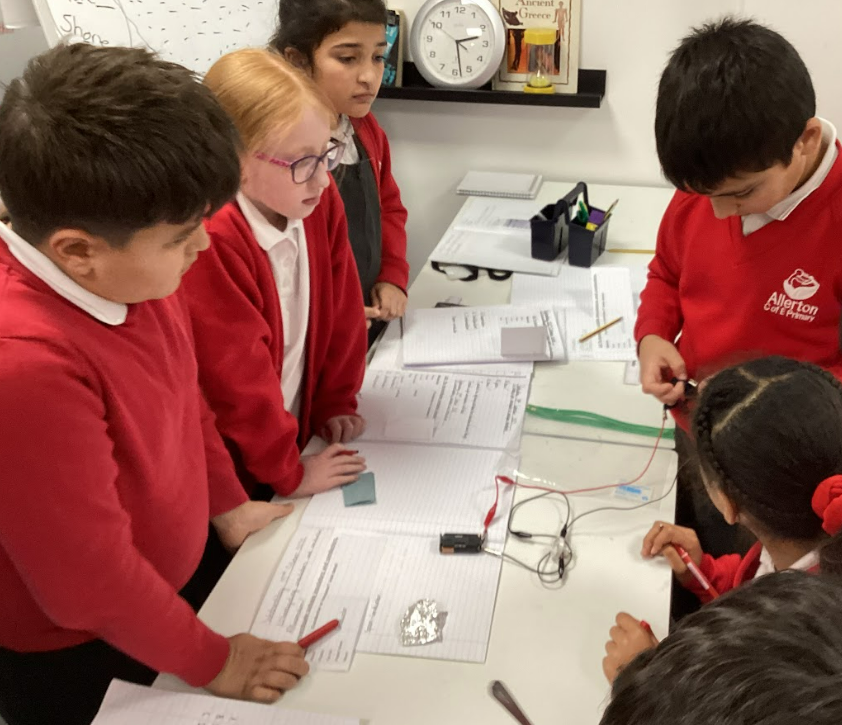
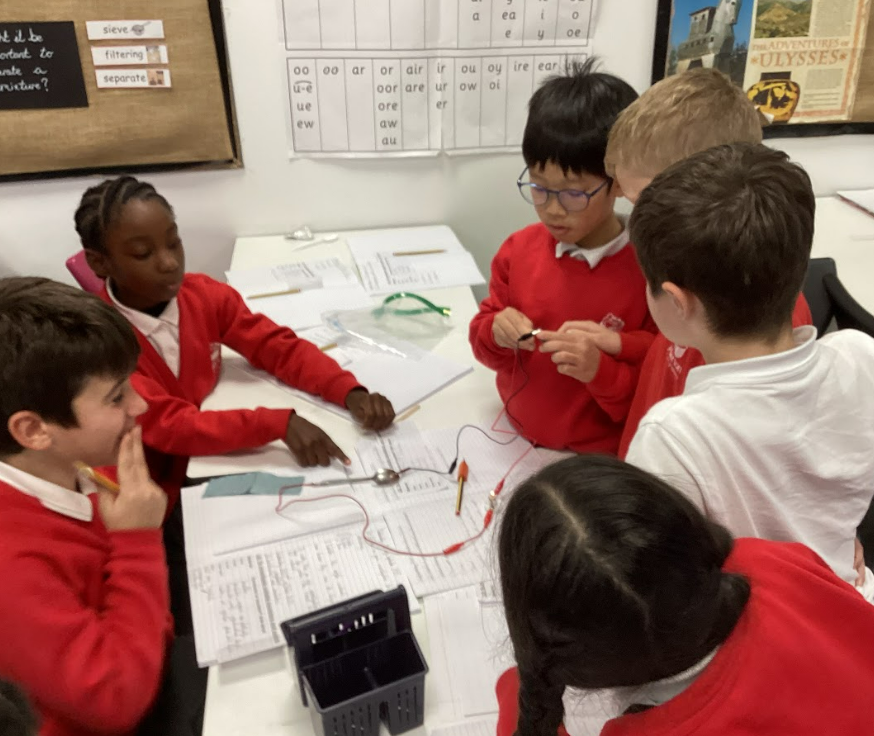
Year 5 became electricians this week, investigating which materials can conduct electricity using simple circuits! We built a simple series circuit consisting of a battery, wires, and a small light bulb, leaving a gap to test different objects.

Our mission was to test everyday items like coins, keys, plastic rulers, and rubber bands to see if they completed the circuit and lit the bulb. We learned quickly that materials that allow electricity to flow, like the metal key, are conductors, and those that block it, like the plastic ruler, are insulators. This fantastic hands-on lesson proved how essential these properties are in everyday life, from wiring to safety!

Explosive Science: States of Matter Reaction

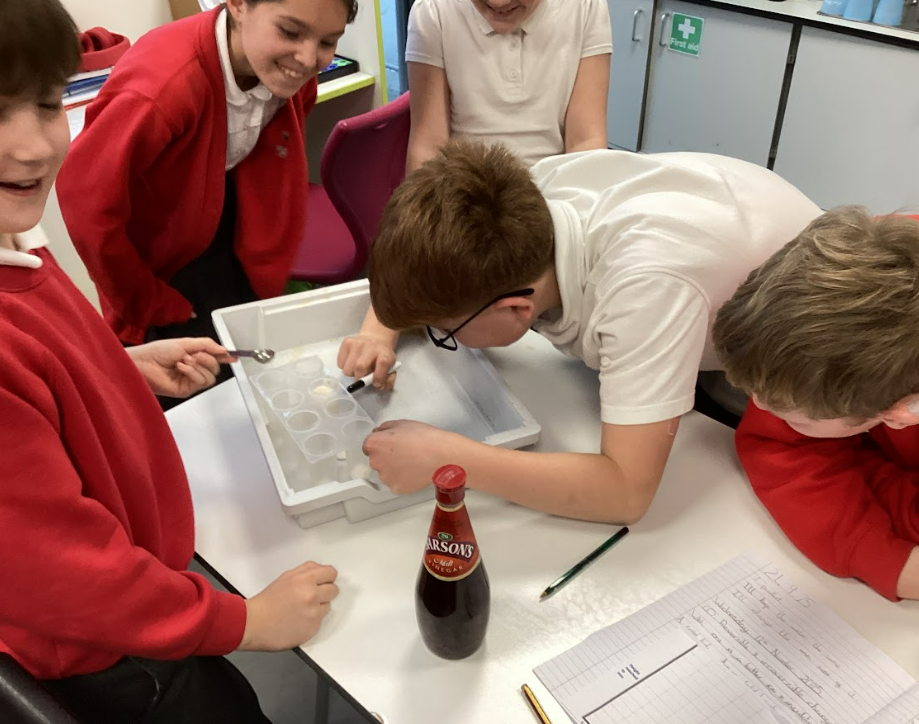
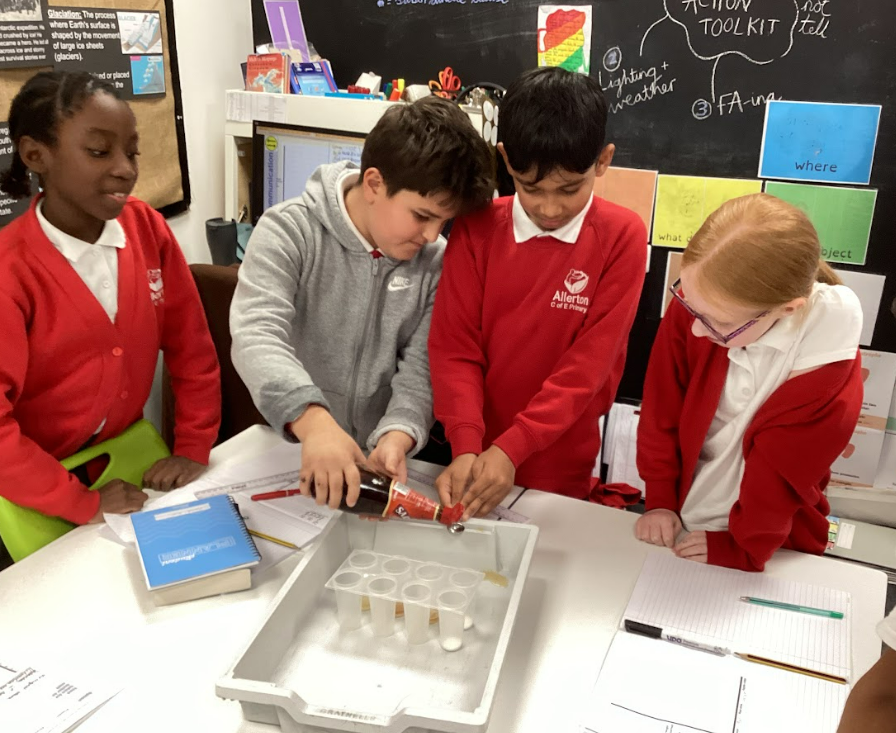
Year 5 experienced an explosive demonstration of changing states of matter this week! We explored the surprising chemical reaction between humble bicarbonate of soda (a solid) and different types of vinegar (a liquid). The class learned that mixing them instantly produces a brand new substance—a gas, carbon dioxide. We observed the dramatic fizzing and foaming as the gas rapidly escaped, demonstrating a solid and liquid reacting to form a gas.

We then investigated how changing the type of vinegar (like white, malt, or apple cider) affected the reaction rate and fizz intensity. This hands-on investigation was a foamy, fun, and memorable way to see the three states of matter—solid, liquid, and gas—in dynamic action!

Super Soakers: Y5 Investigates Absorbency

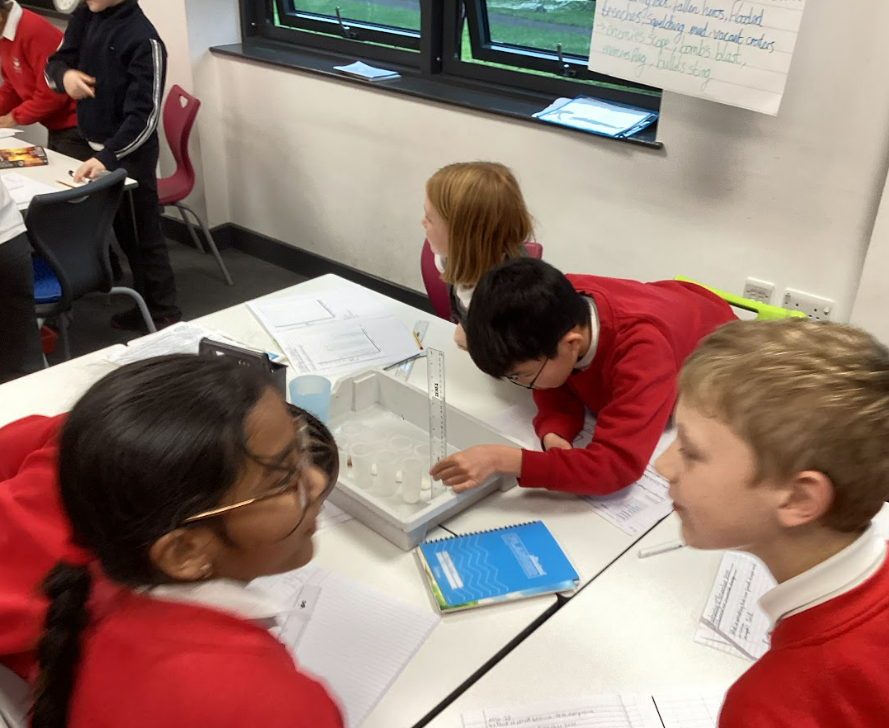
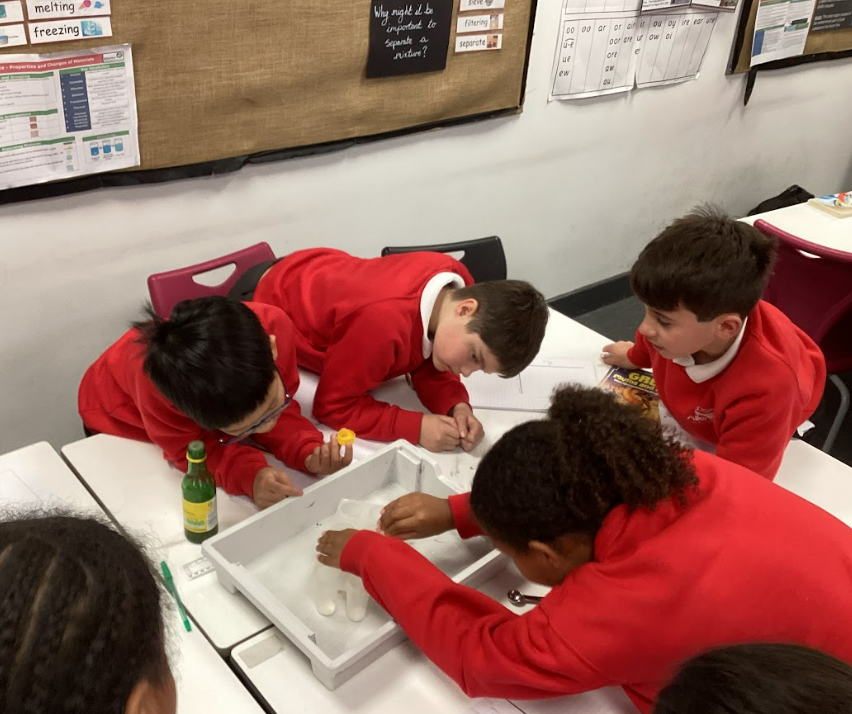
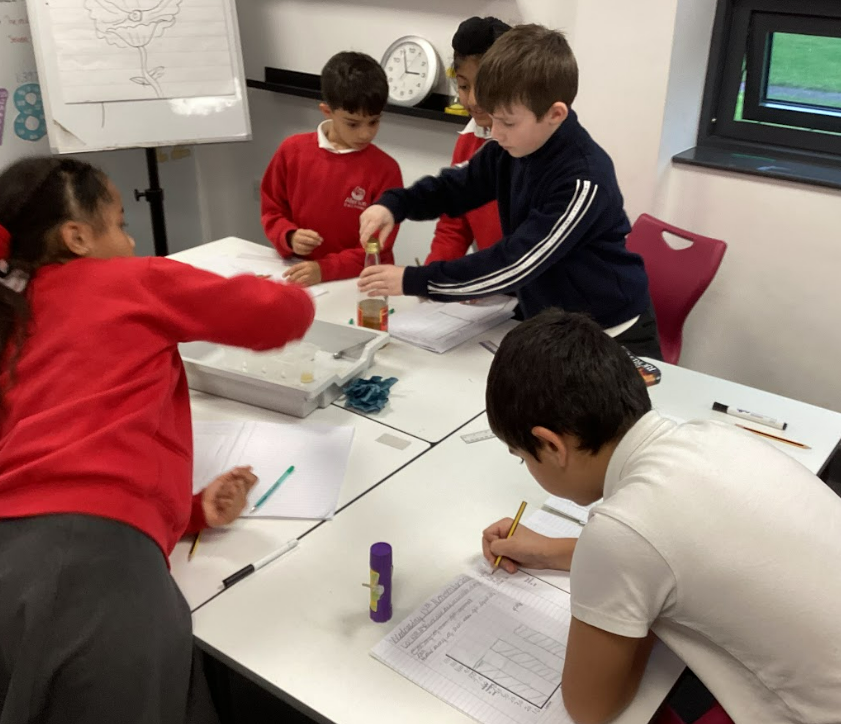
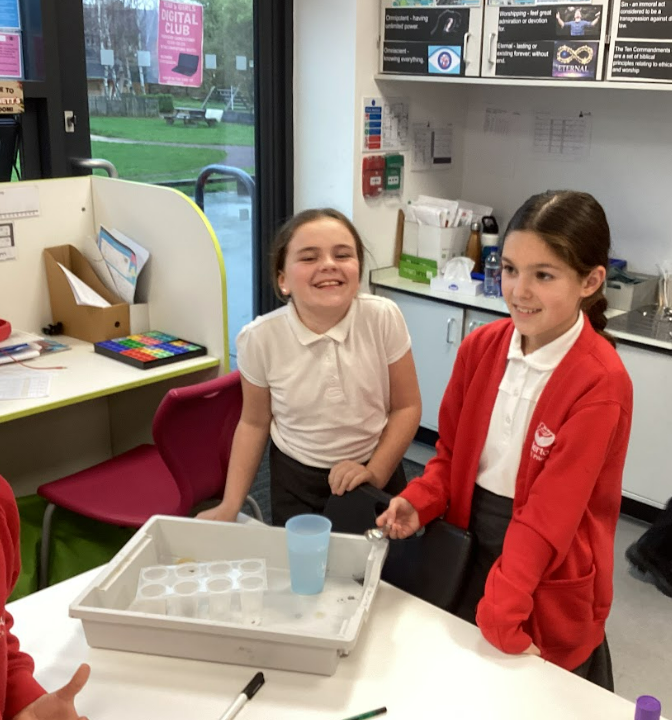
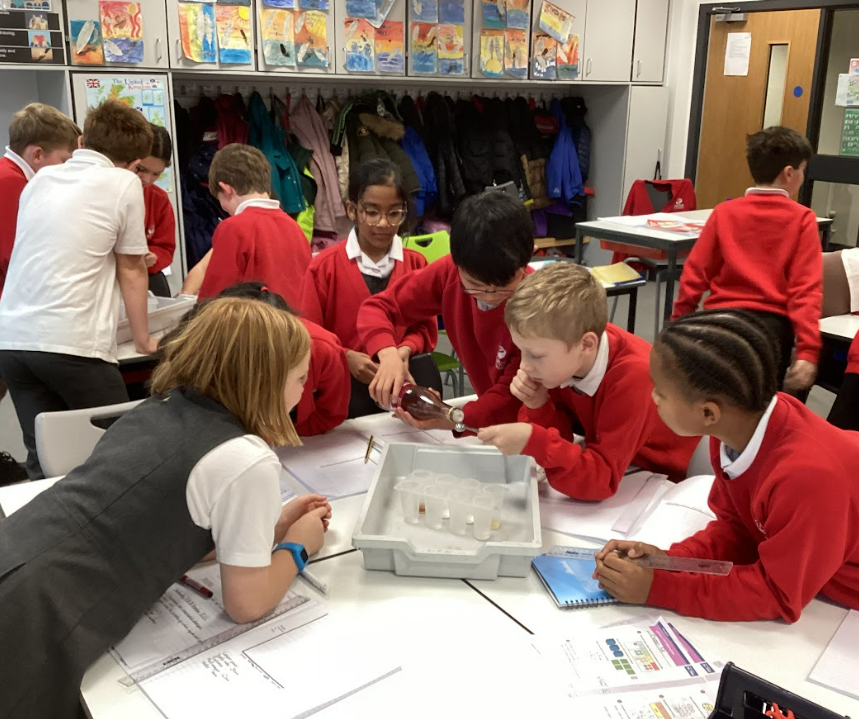
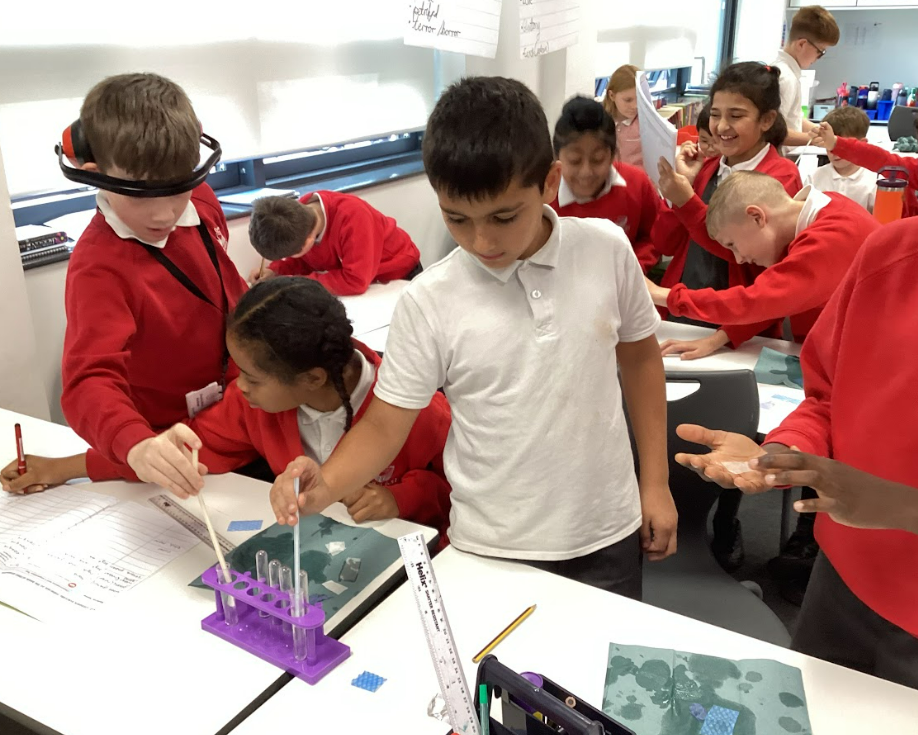
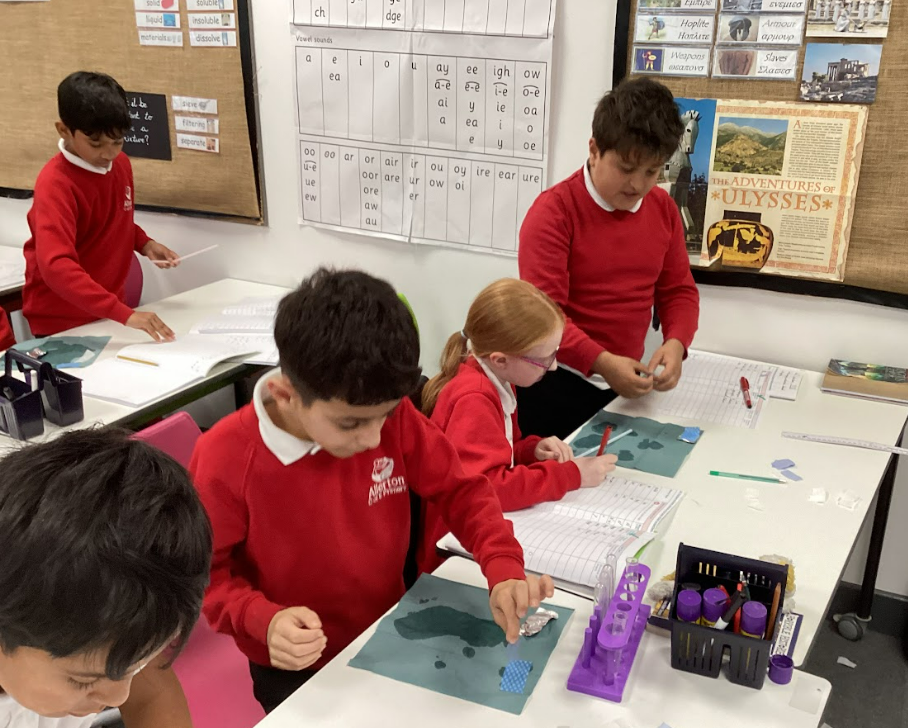
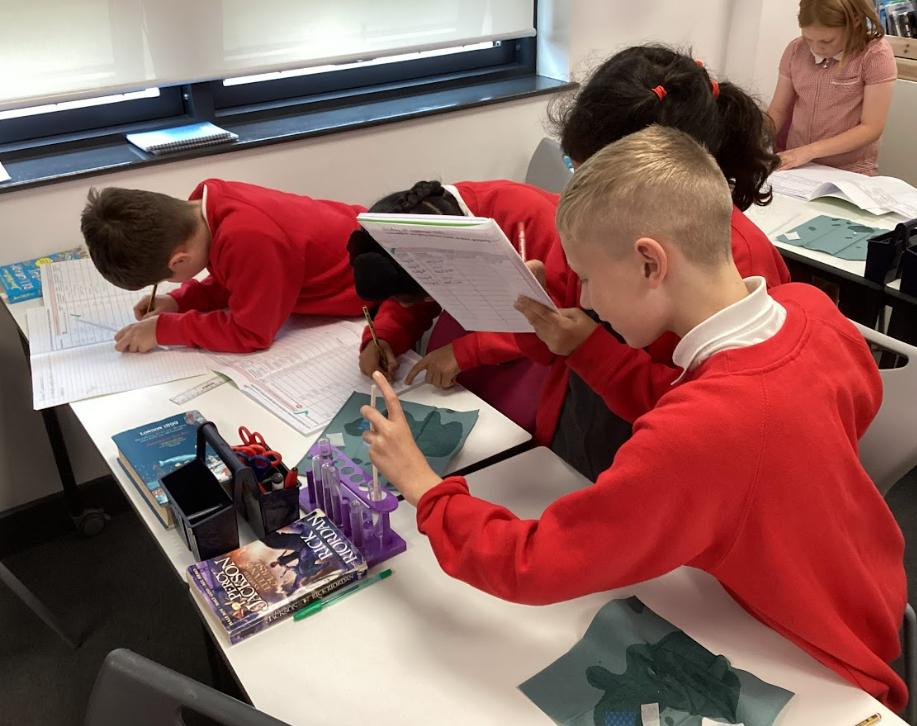
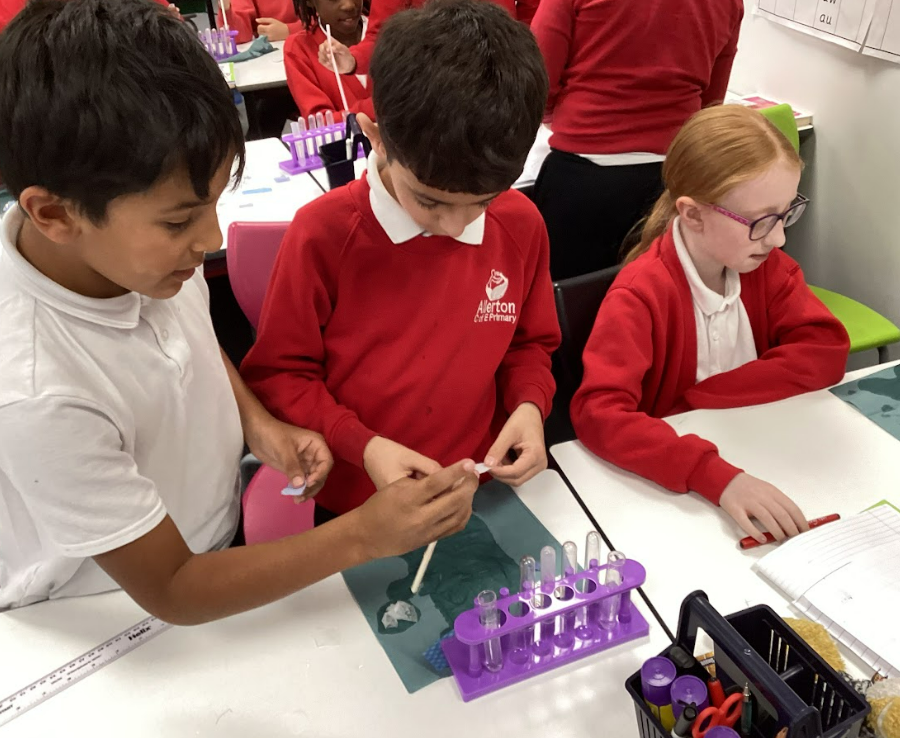
Year 5 became material scientists this week for a fantastic and hands-on investigation into absorbency! Our mission was to discover which everyday materials could soak up the most liquid. Working in teams, we tested four materials—paper towels, test tubes, straws, and fabric—using a fair test setup.

We used straws to carefully measure the exact volume of water absorbed by each sample. The class learned all about variables, ensuring that the size of the material and the testing time were kept the same. The results were thrilling! We observed significant differences, with the paper towels proving to be the ultimate super soaker. This experiment taught us about the real-world applications of material properties, turning us all into experts on tackling spills!

Royal Armouries

A Knight to Remember: Y5 at the Royal Armories

Year 5 had an absolutely thrilling day at the Royal Armories in Leeds! We stepped back in time to explore magnificent collections of armor, shields, and ancient weapons. The highlight was definitely seeing the full-sized jousting figures and the shining suits of armor worn by knights centuries ago.

We saw huge cannons and learned about battlefield tactics. It was incredible to think about the history held in those objects. We particularly enjoyed the live demonstration where an expert showed us greek weapons and armor. It was an exciting, hands-on history lesson that brought the medieval period to life!

Groovy Greeks

Hi Everyone,

First blog post of 5A!

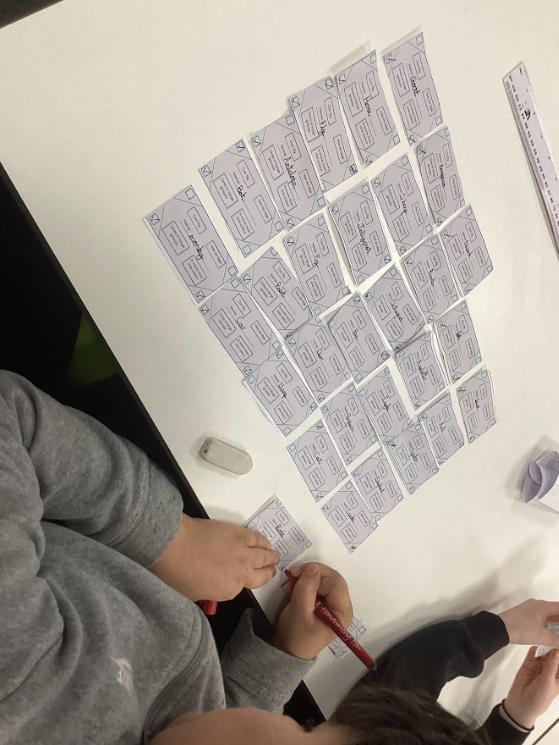
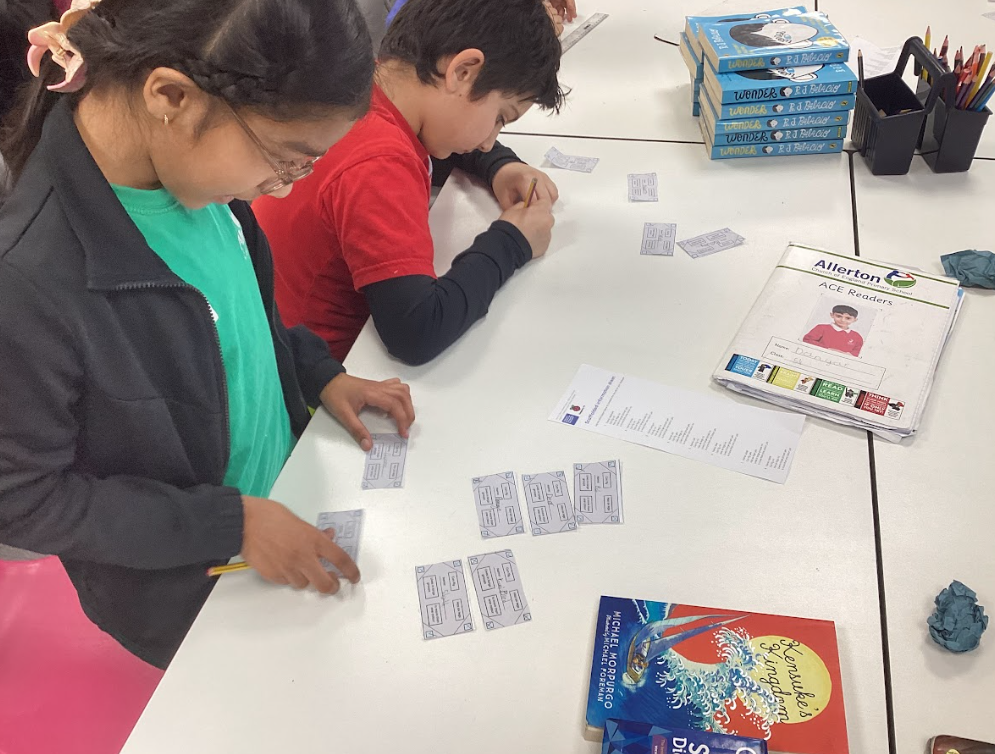
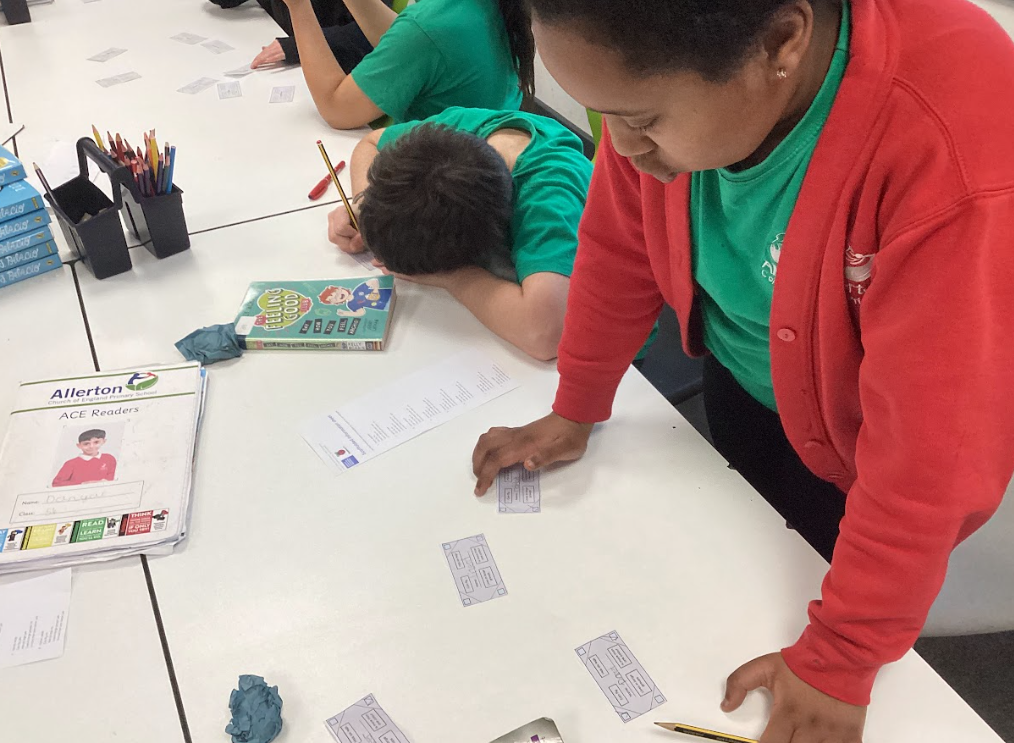
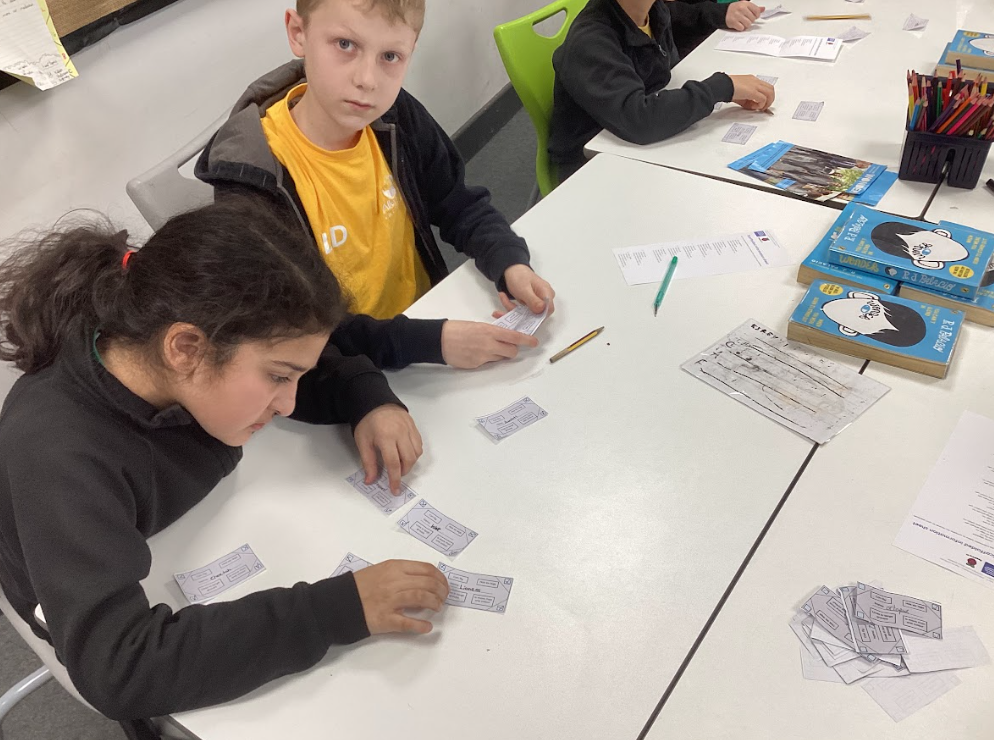
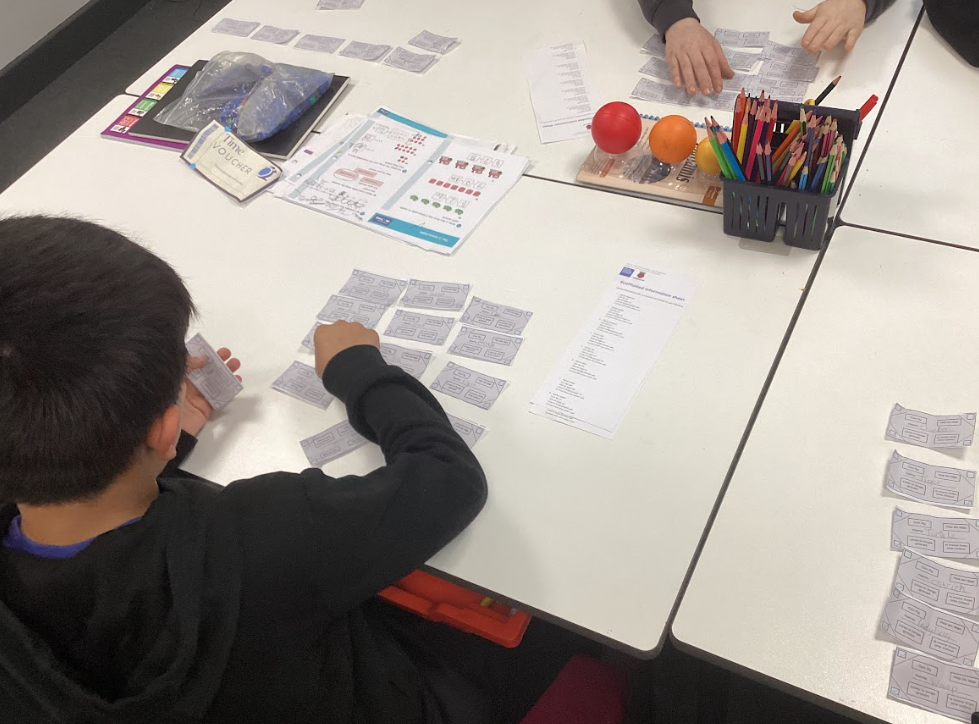
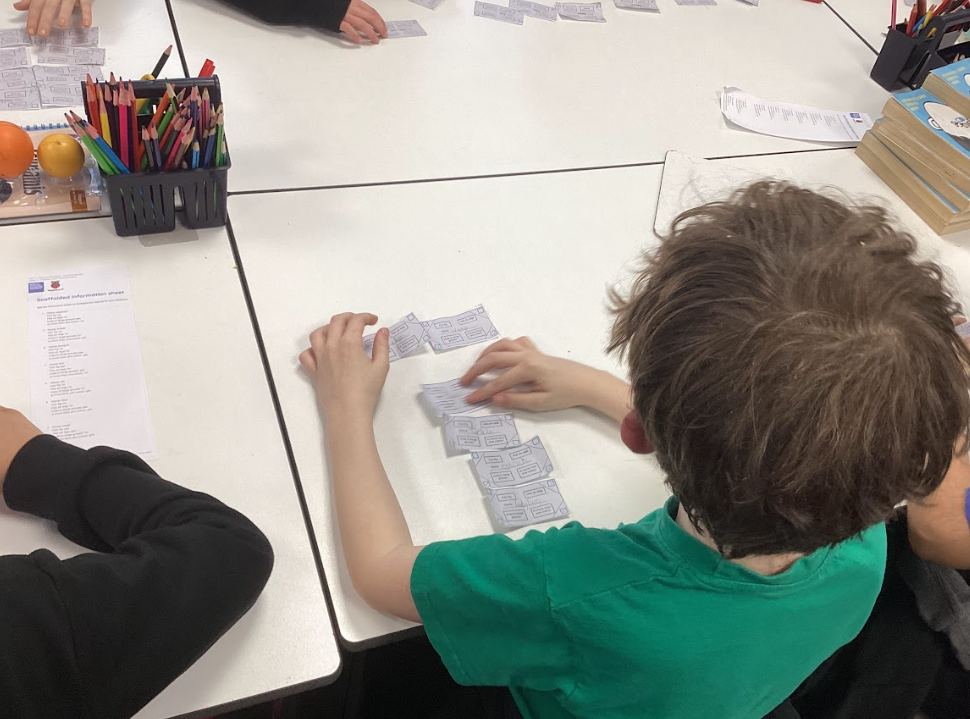
As part of our unit on the ancient Greeks, the children have been studying various historical sources and have tried to determine which sources are primary, which are secondary and why this is important in studying history. The children then conducted a ‘silent debate’ where they went around the class in groups to different stations to record their thoughts and ideas, building on other peoples.