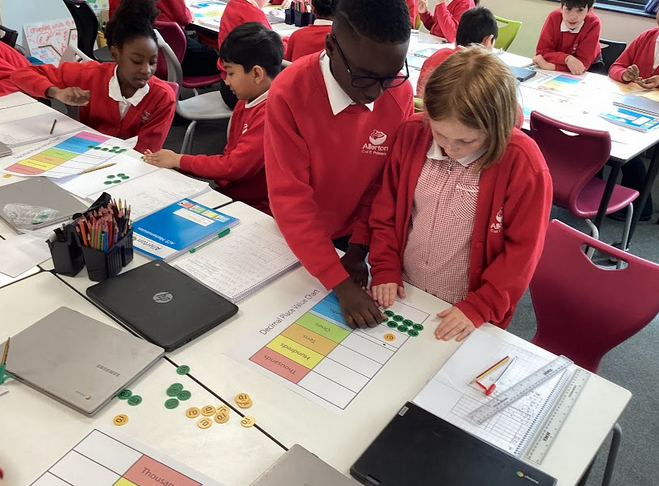
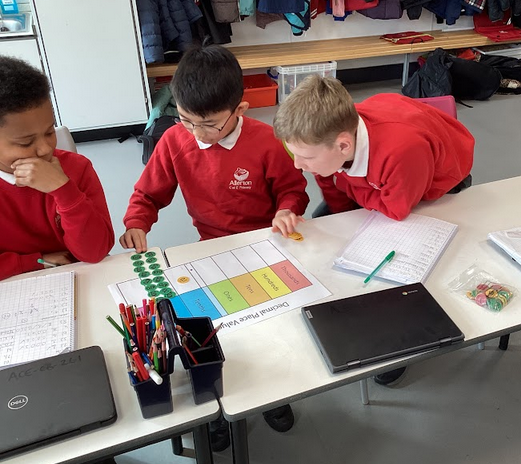
This week, Year 5 became masters of the decimal as we dived deep into the world of decimal points. To make sense of tenths and hundredths, we rolled up our sleeves and got hands-on with place value counters and charts.
By physically moving counters across the columns, students could visualize exactly what happens when we cross the decimal threshold. Seeing the relationship between whole numbers and their smaller parts helped everyone tackle tricky additions and subtractions with total confidence.
It was wonderful to see those aha! moments as the charts turned abstract numbers into clear, tactile solutions. Fantastic work, mathematicians!
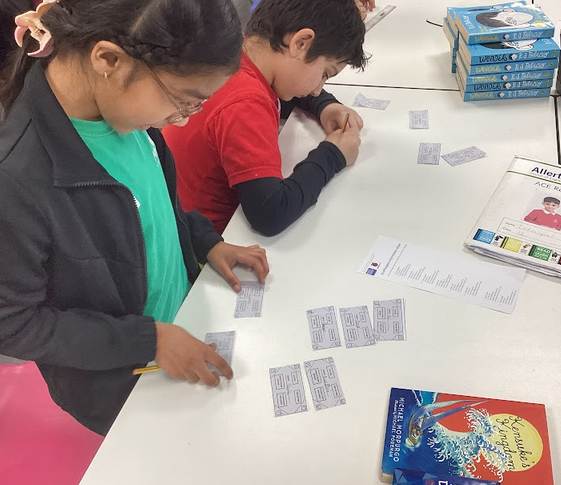
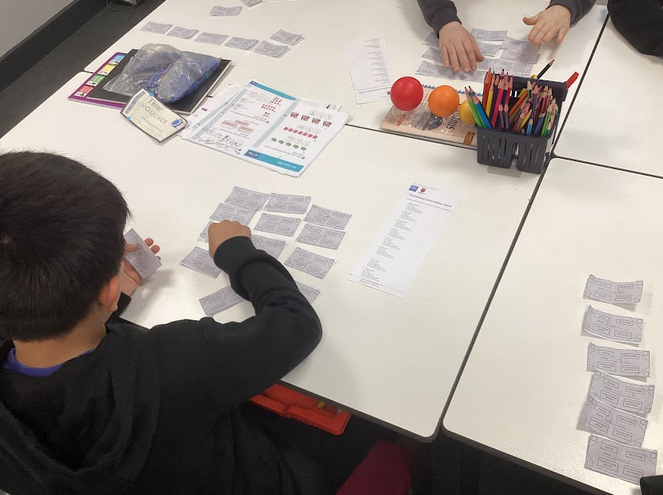
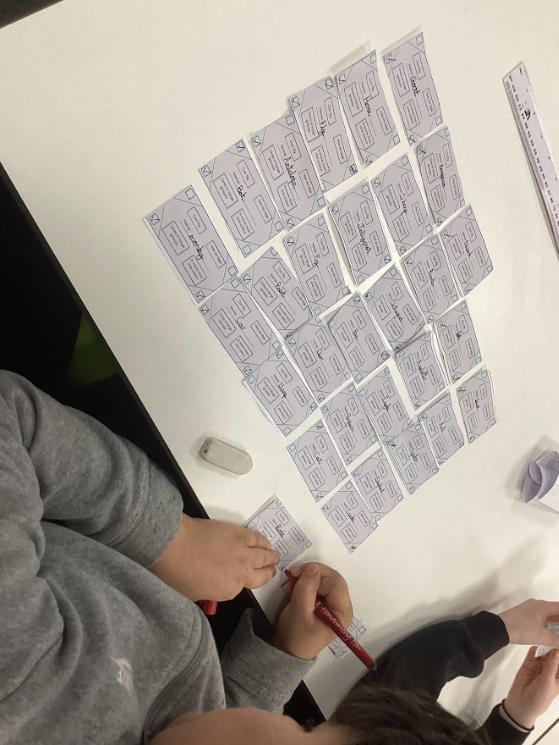
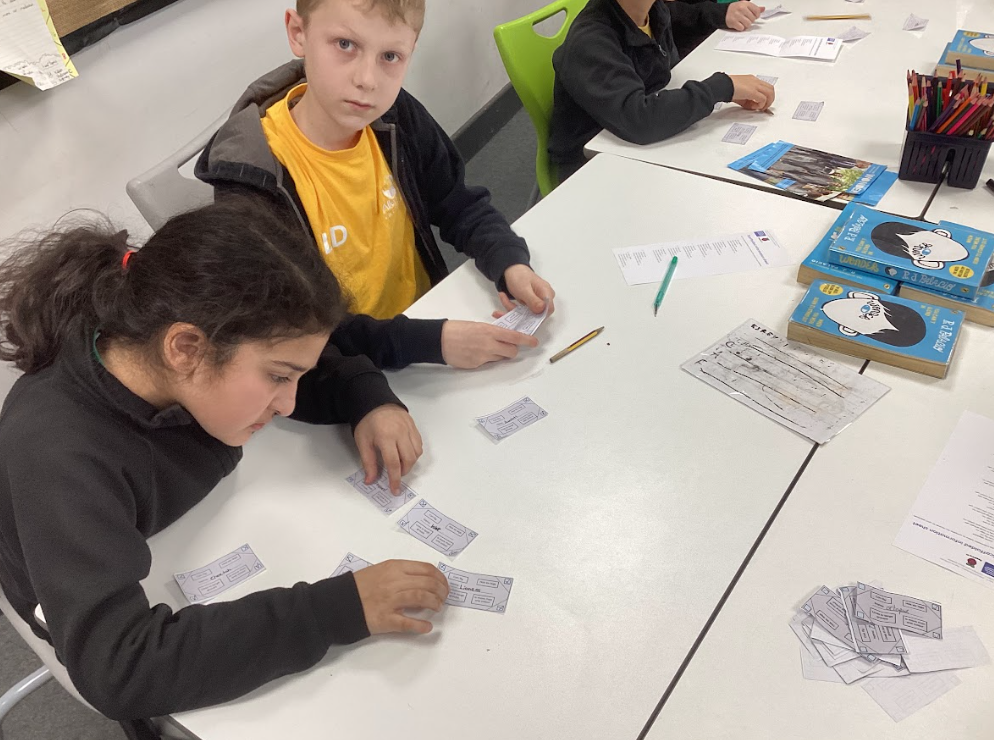
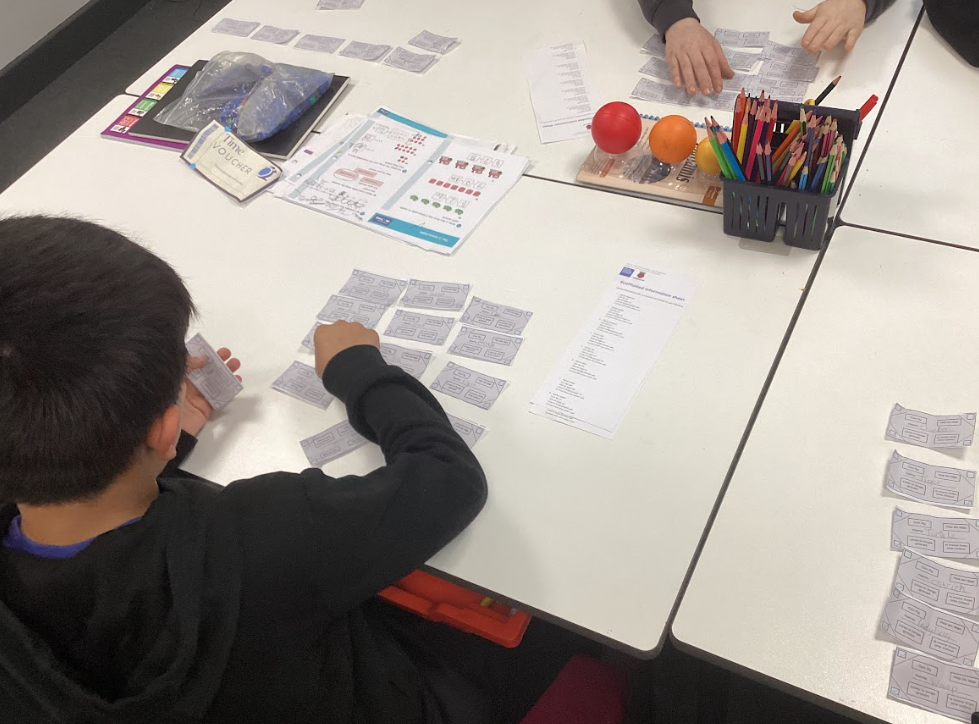
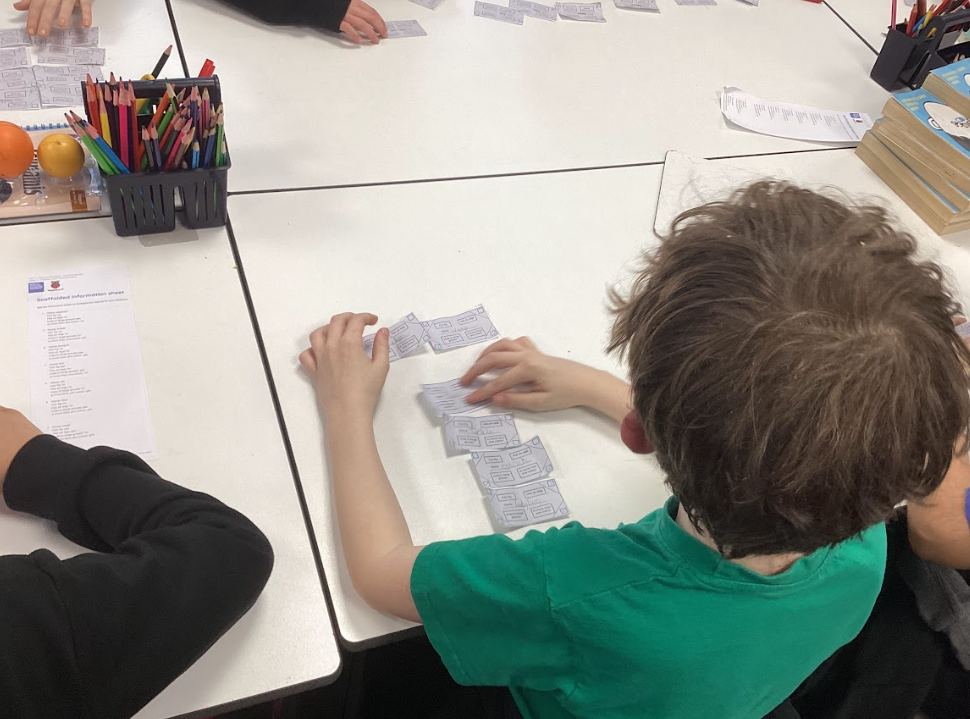
This week, Year 5 stepped away from the screens to become human databases! To understand how computers organize vast amounts of information, we went unplugged using physical data records.
Each student managed animal profile slips, featuring fascinating facts and specific numerical keys. By physically sorting, filtering, and ordering these slips based on the numbers in the corners, the children discovered how primary keys and indexing help us find information in a flash.
It was a fantastic way to see the logic behind the laptop. Great job, Year 5, you’ve officially mastered the art of data!
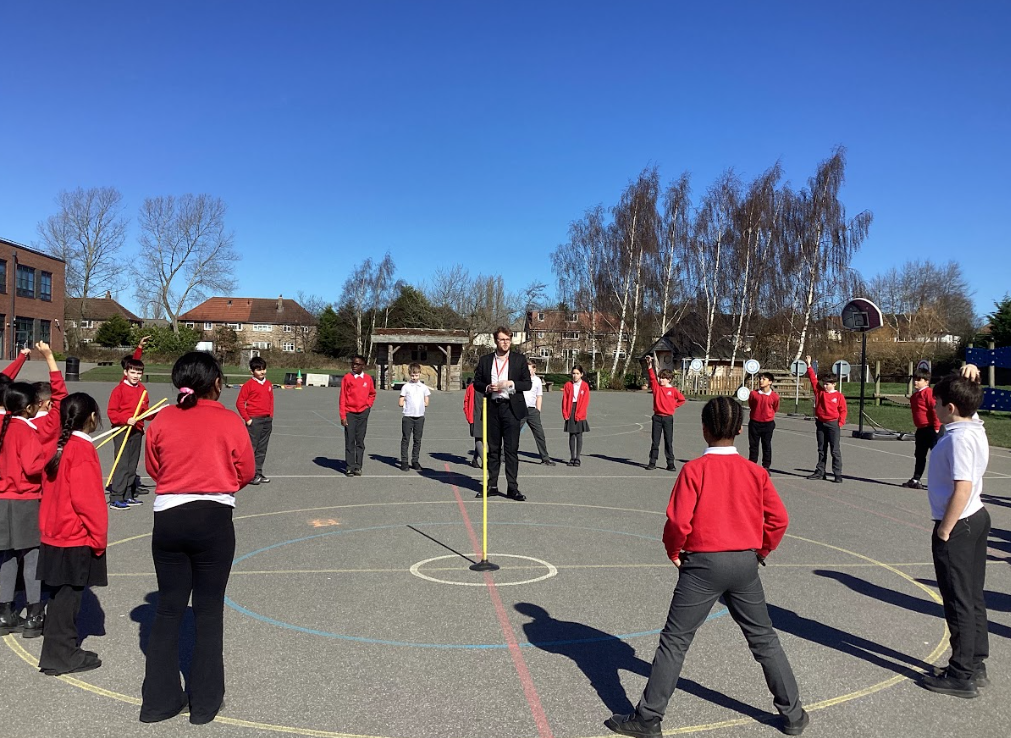
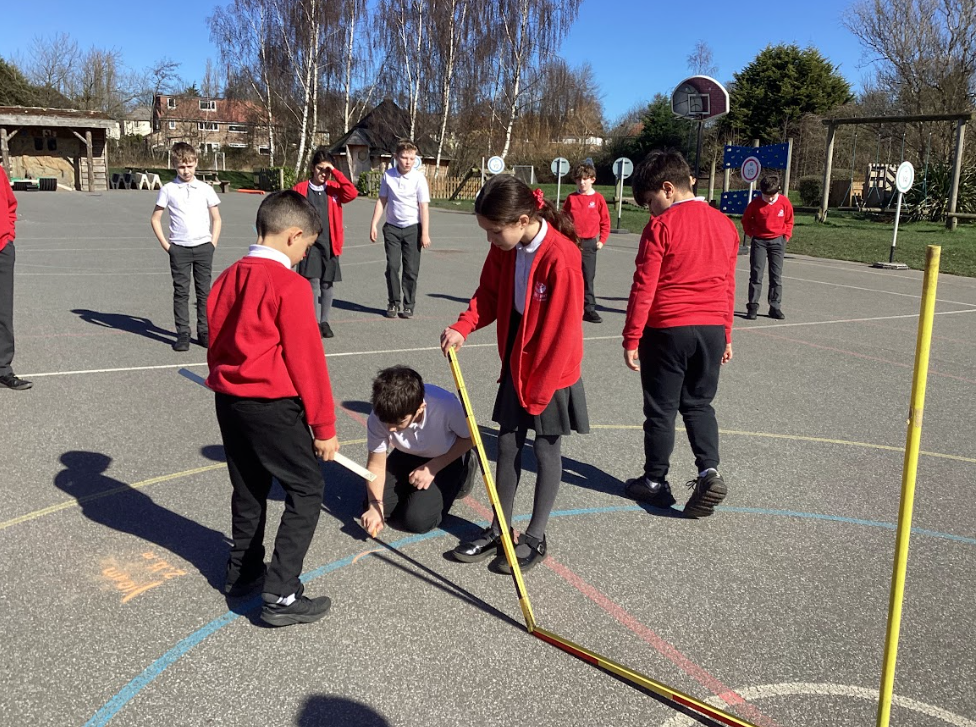
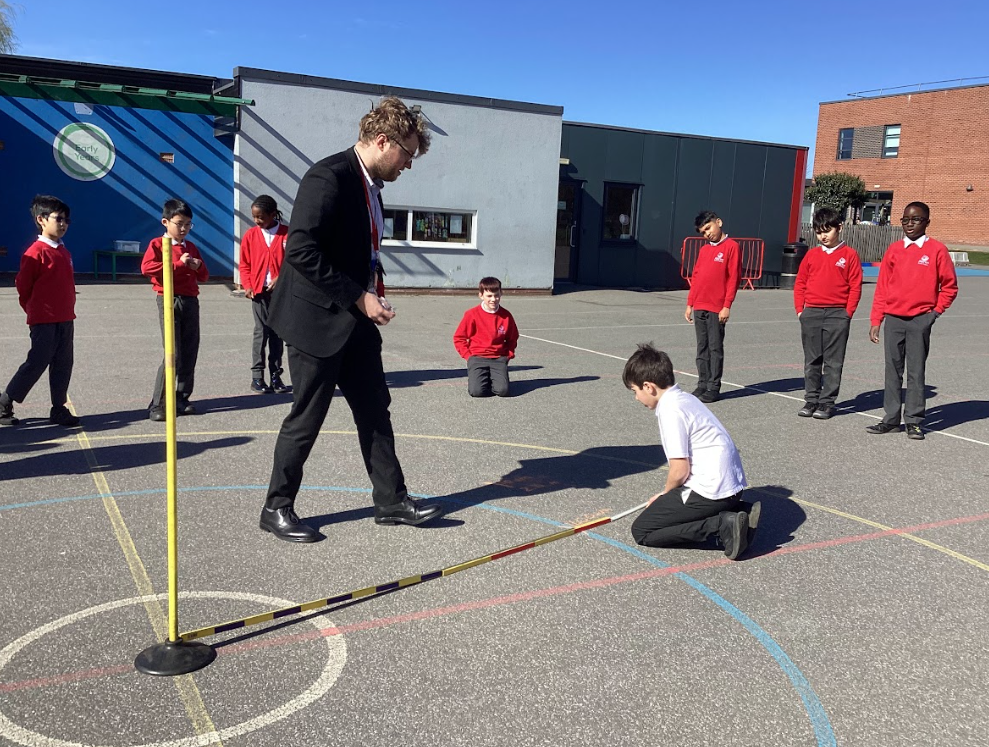
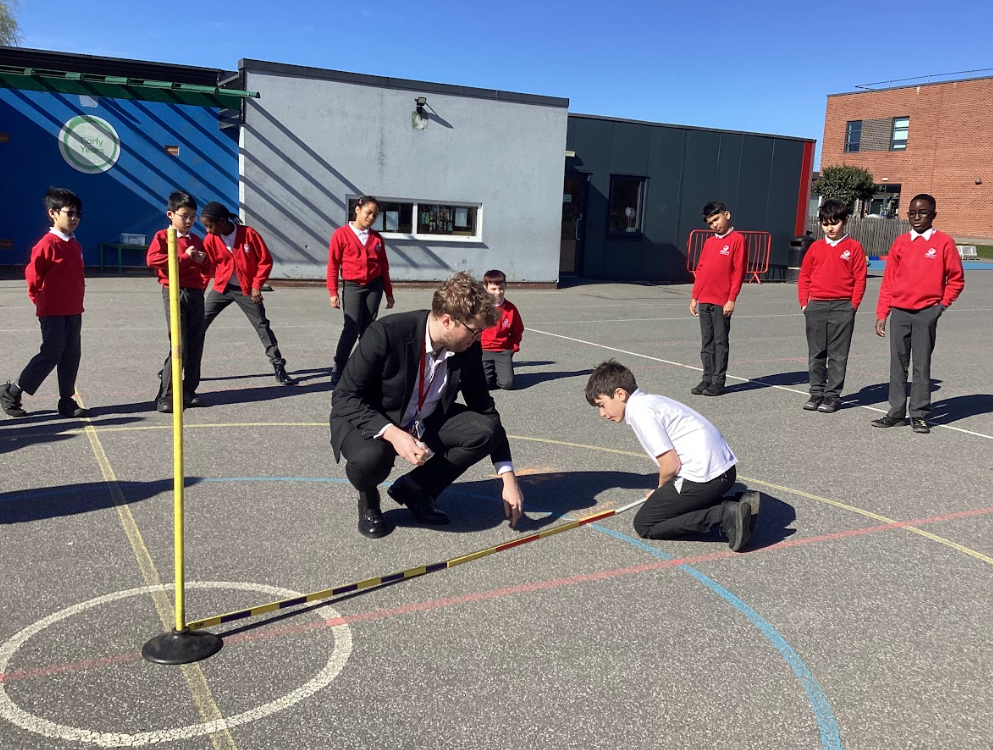
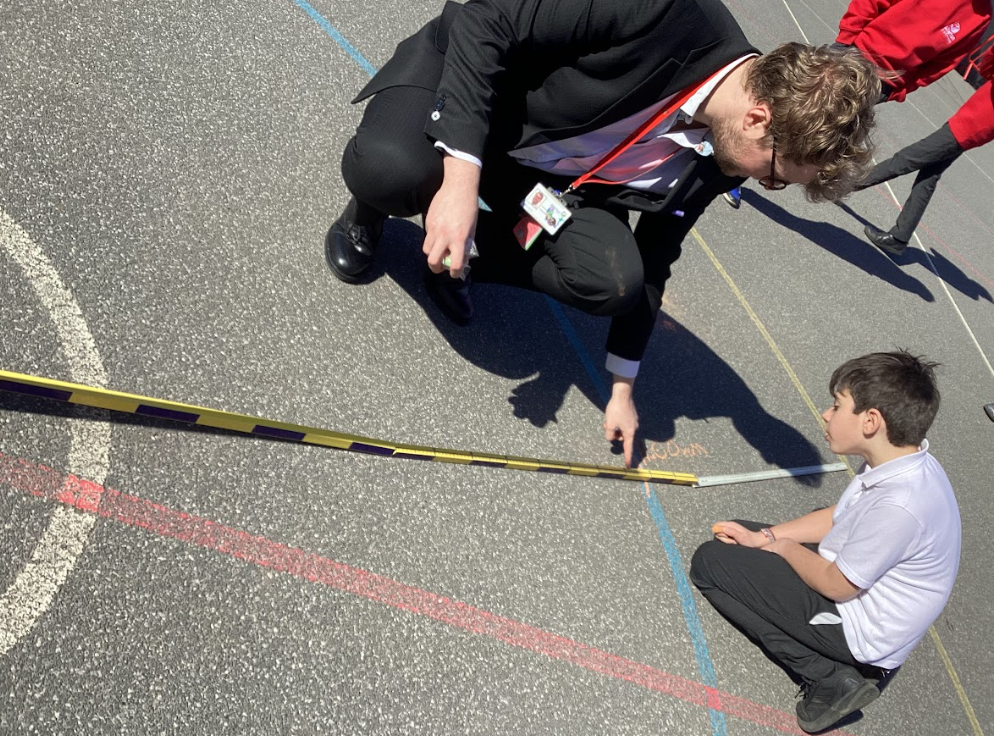
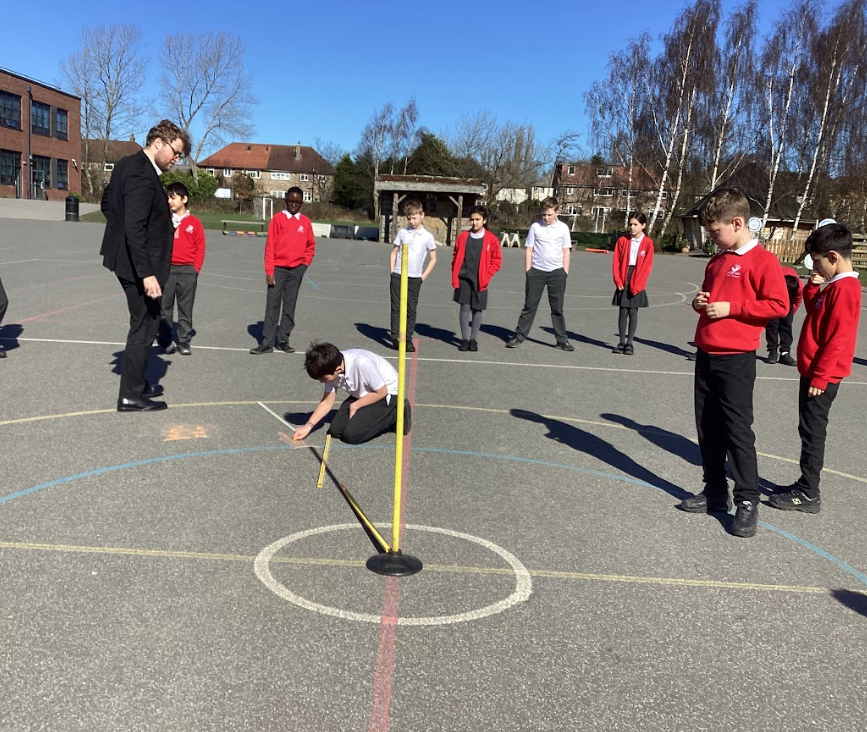
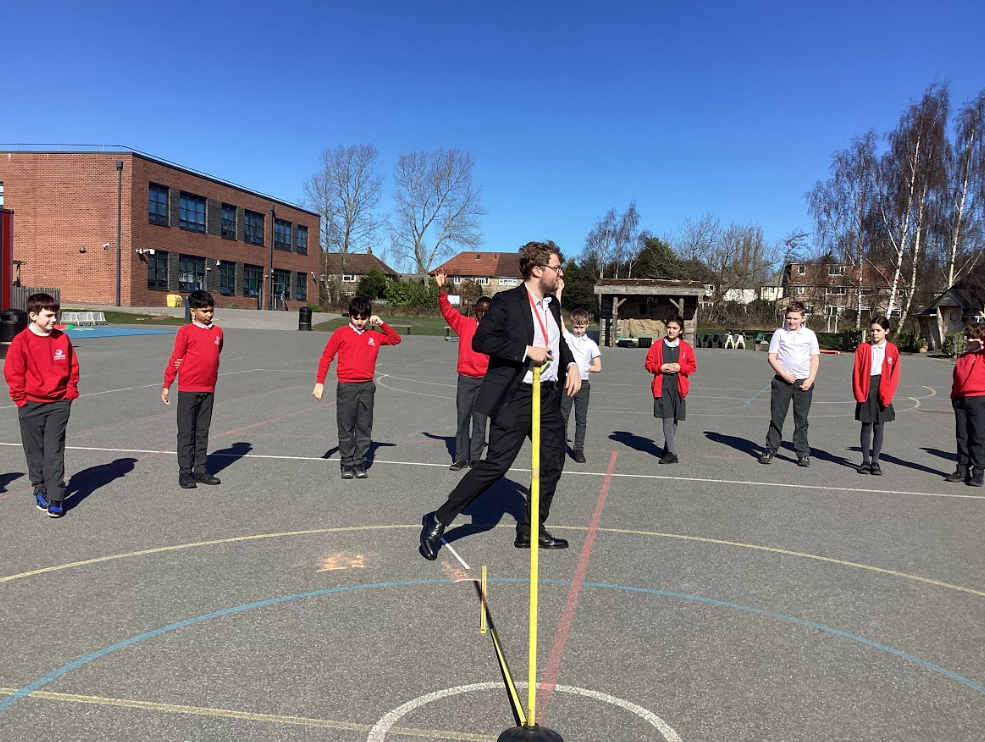
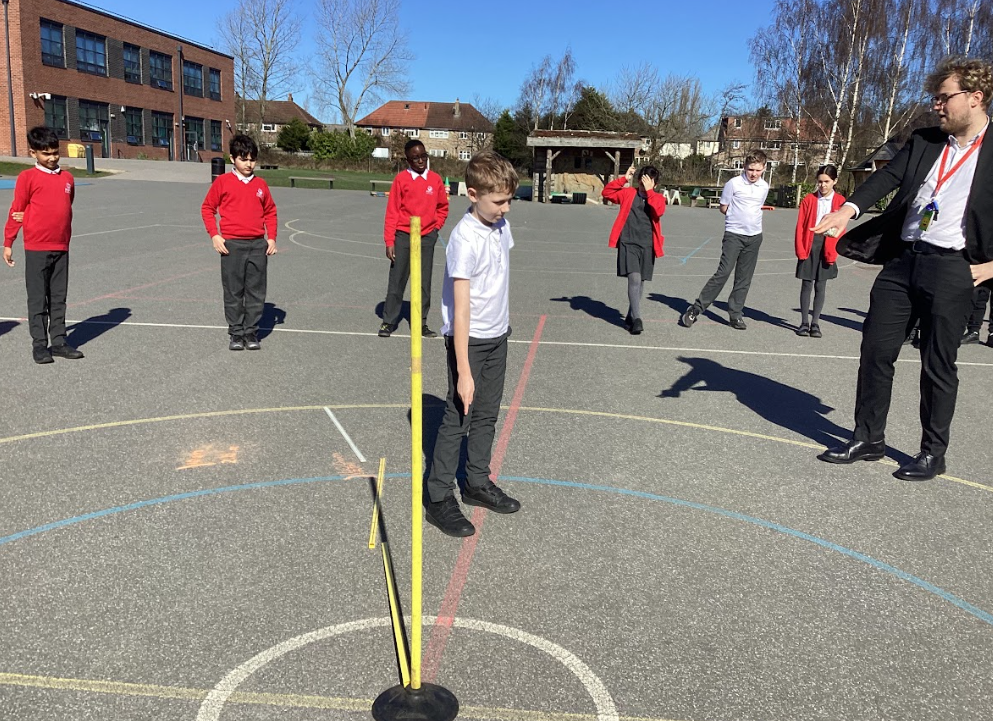
Year 5 became “Solar Scientists” today! We headed out to the playground to investigate how light travels and how shadows change. Using a gnomon (a simple vertical pole) and some colourful chalk, we tracked the sun’s journey across the sky.
We discovered that shadows aren’t 1:1 all day. In the early morning, they were stretched out and long, but by lunchtime, they had shrunk into tiny shapes right at the base of our poles! We learned that as the Earth rotates, the sun’s angle changes, causing the shadow’s length and position to shift.
What a brilliant day of hands-on math and science!
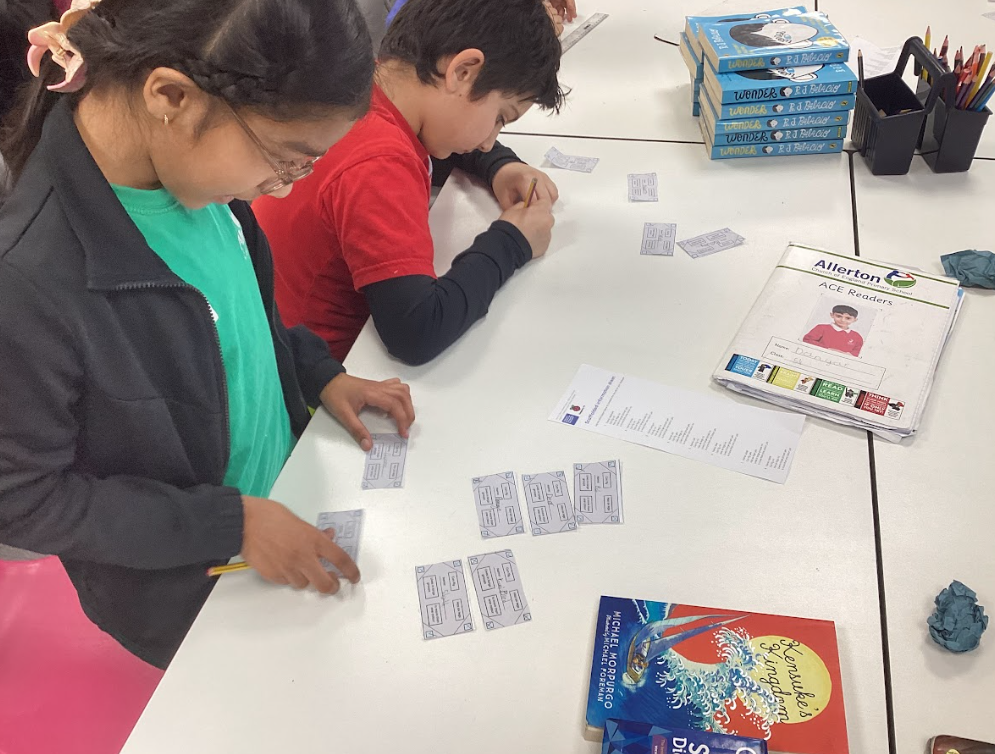
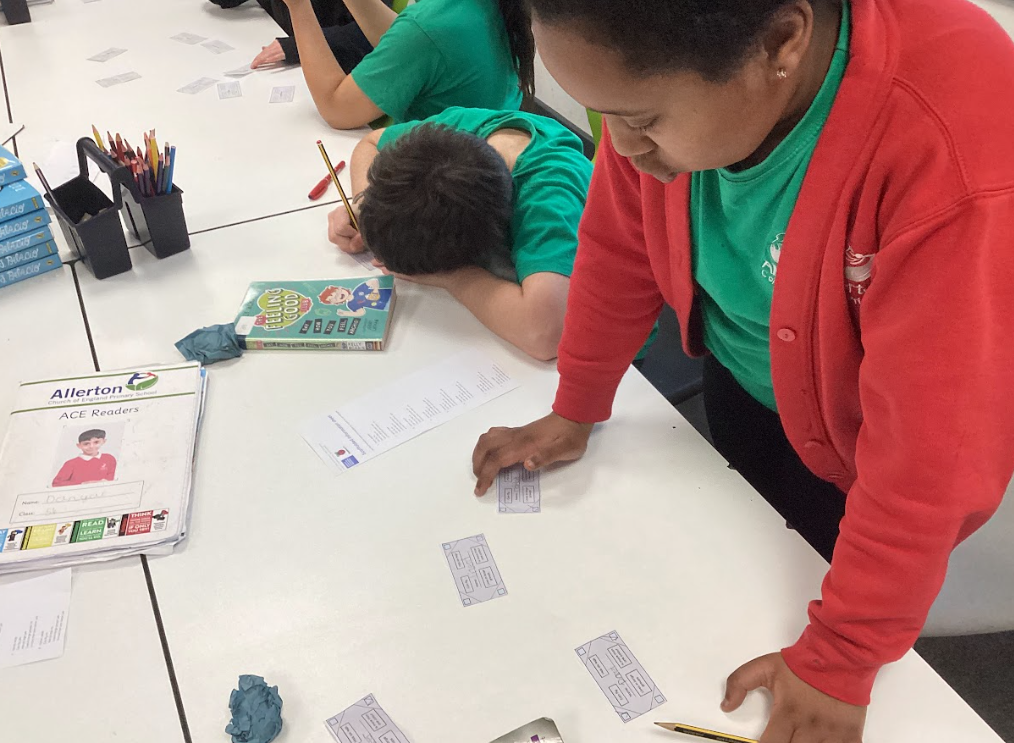
Who says you need a screen to master computing? This week, our Year 5 class went “unplugged” to dive into the world of databases.
Before touching a keyboard, students created their own physical record cards for various animals. By categorizing features like habitat, diet, and lifespan, they learned the vital difference between a field and a record.
The highlight was a “human search engine” activity where students filtered through their paper stacks to find specific creatures. It was a fantastic way to visualize how data is organized and retrieved. Now, they’re ready to transition these skills to the digital world!
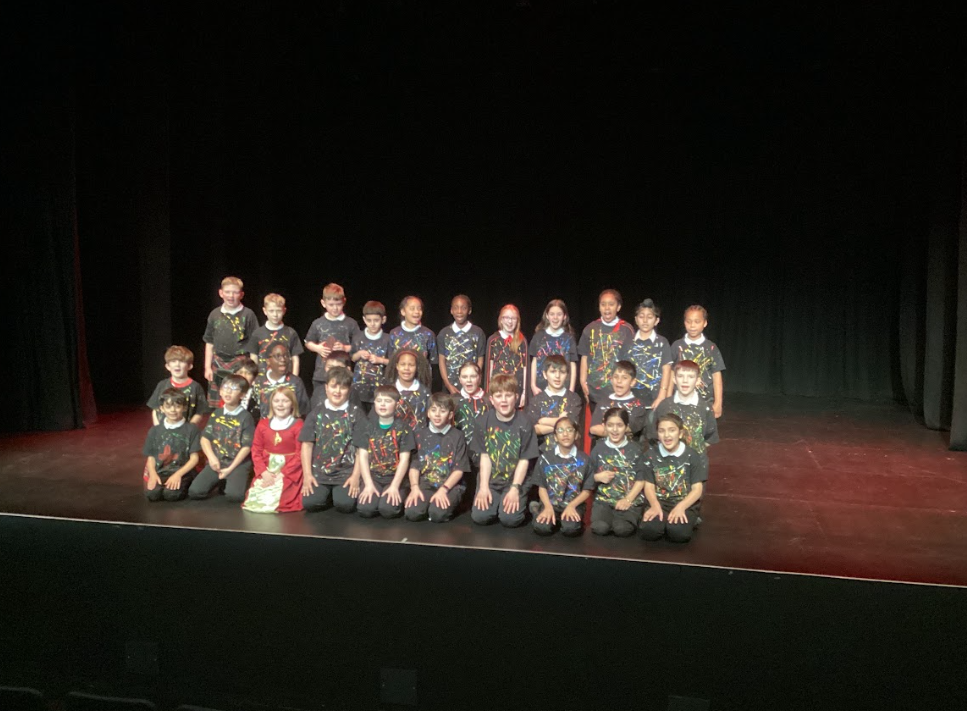
The air in the professional theater was electric as our Year 5 stars stepped out from the wings. Swapping their school jumpers for velvet robes and warrior face paint, the class delivered a breath-taking rendition ofMacbeth.
Performing on a professional stage is no small feat, but these young actors commanded the space with maturity beyond their years. From the chilling chants of the “weird sisters” to Macbeth’s haunting soliloquies, every line resonated with clarity and passion.
It was a proud moment for parents and teachers alike, proving that with a little ambition and a lot of courage, even the youngest performers can tackle the Bard’s greatest tragedies.
Bravo, Year 5—you truly brought the house down!
Note to parents: the photos are now available for purchase from Splat photography if you log online today!
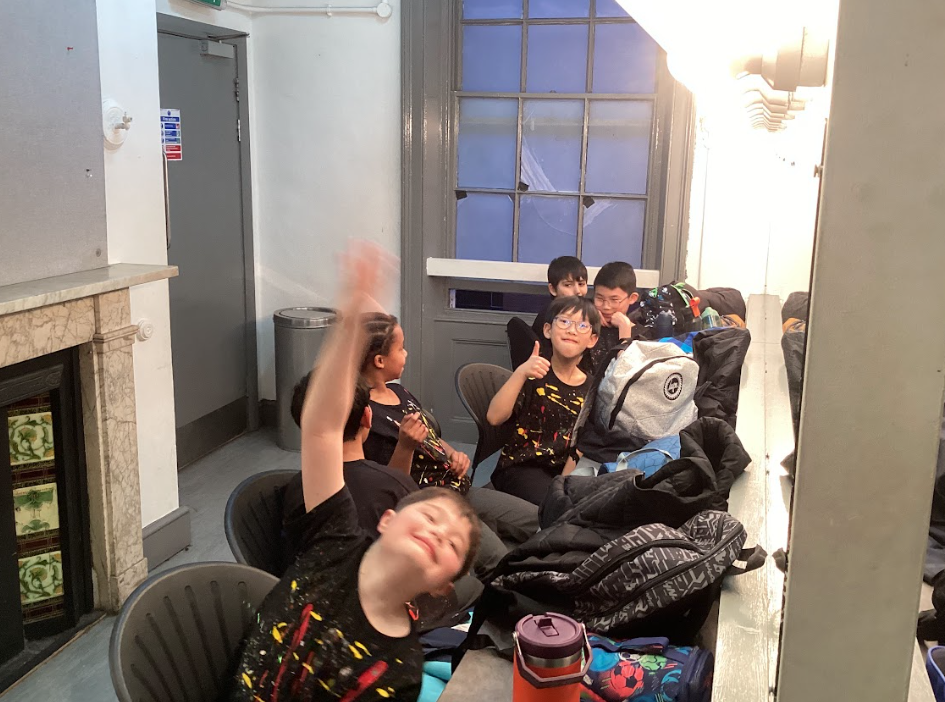
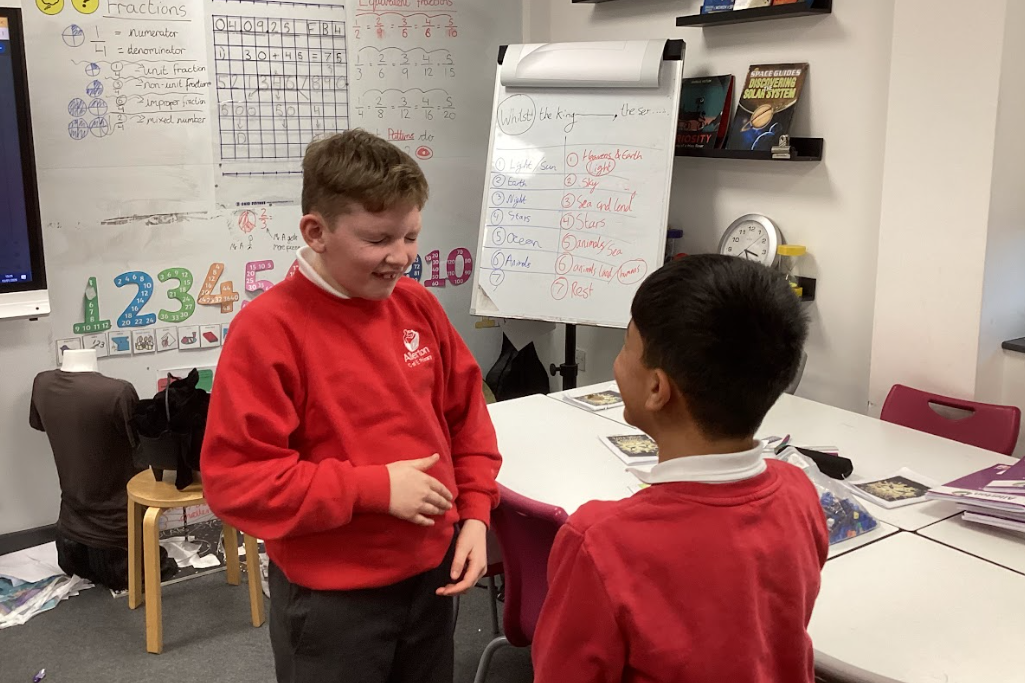
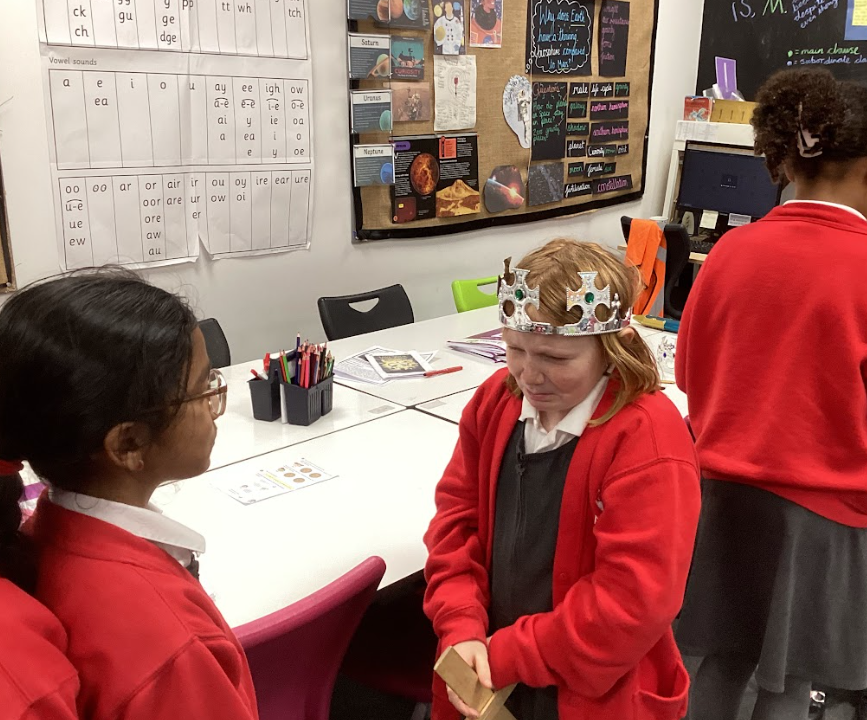
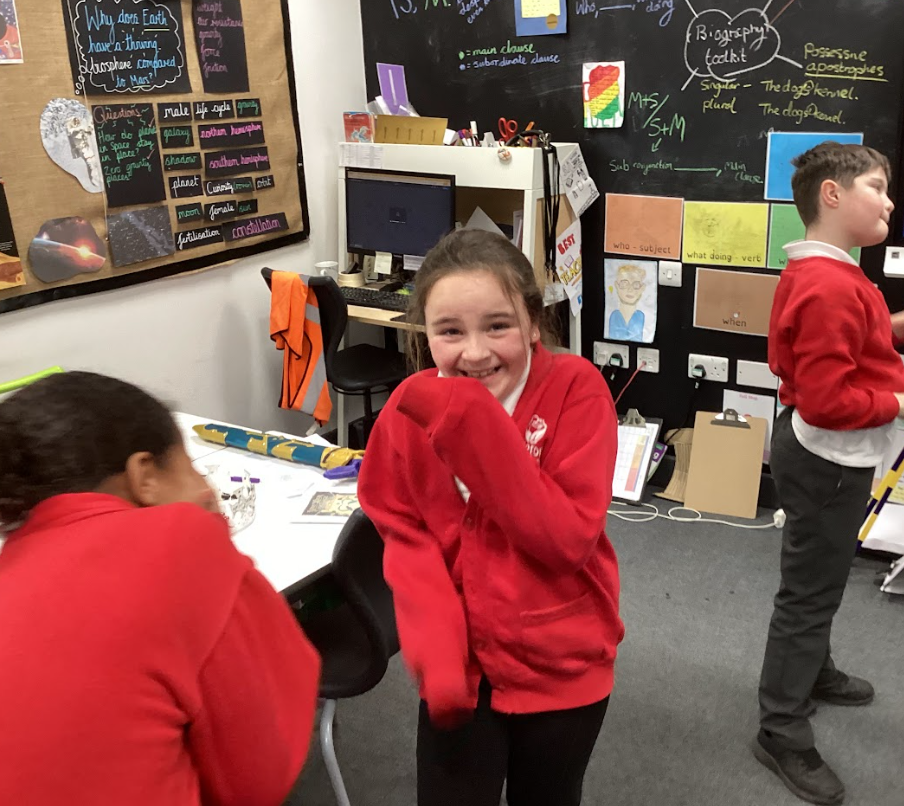
Things got pretty spooky in Class 5A this week as Macbeth Club took centre stage! Our mini-actors dived straight into the drama with a hilarious game of peekaboo. It wasn’t just for laughs though. They used it to practice their best “ghastly” faces and master those intense emotional reactions Shakespeare is famous for.
With their faces warmed up, it was time for the scripts. The room was buzzing as the kids nailed everything from the Witches’ creepy spells to Macbeth’s moody speeches. Their confidence is skyrocketing, and the acting was honestly spellbinding. What a brilliant, noisy, and creative session!
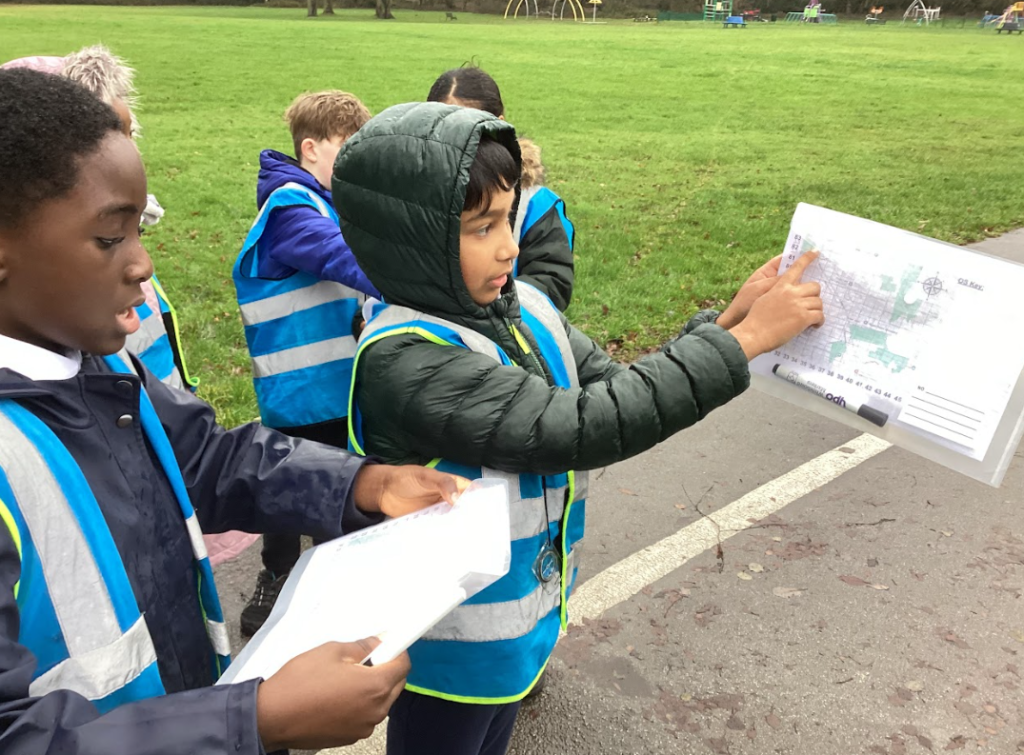
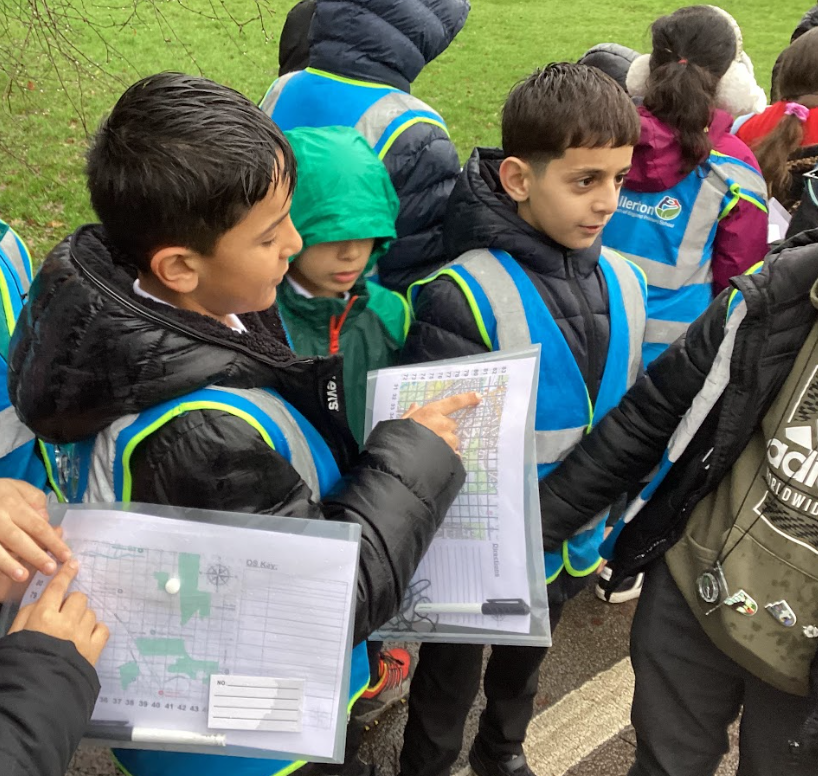
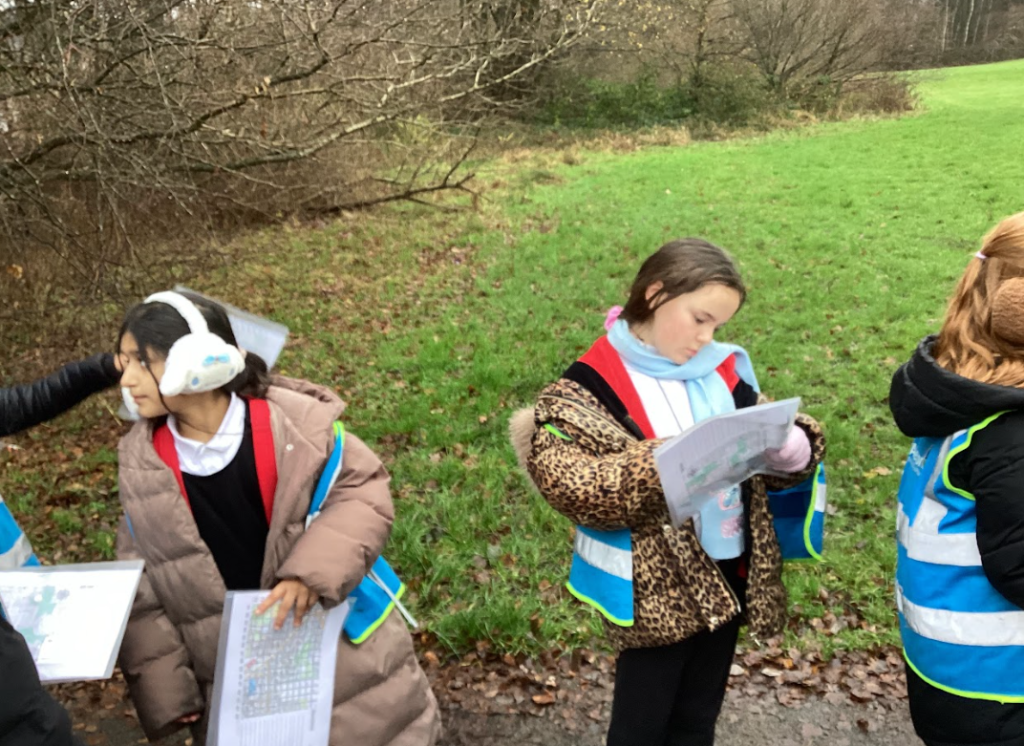
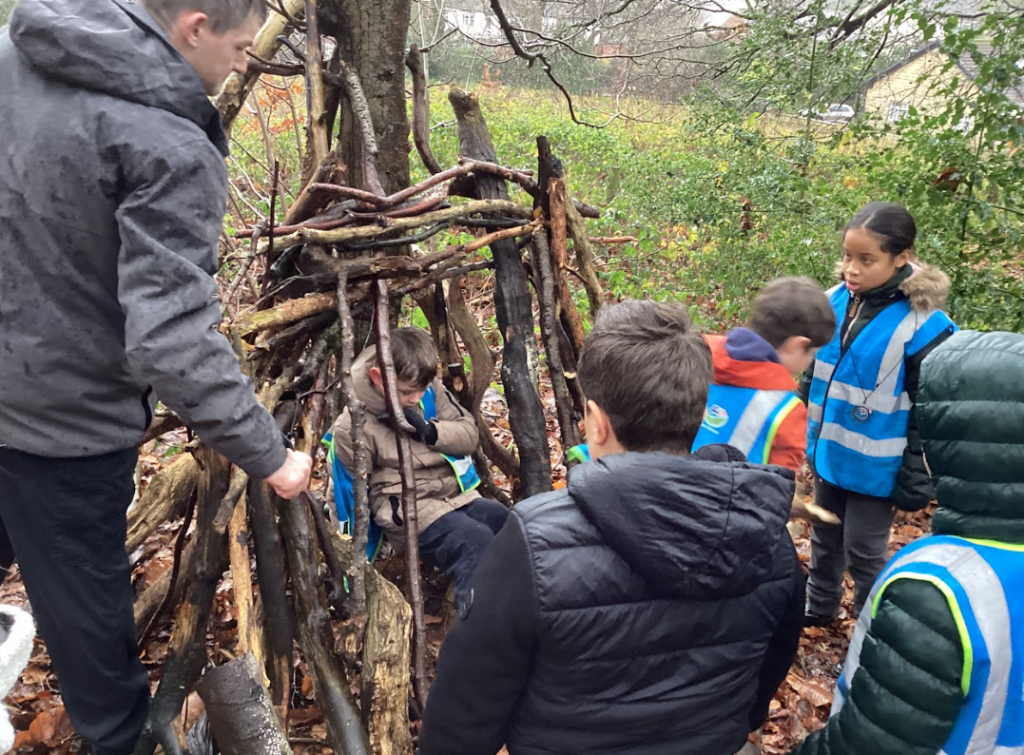
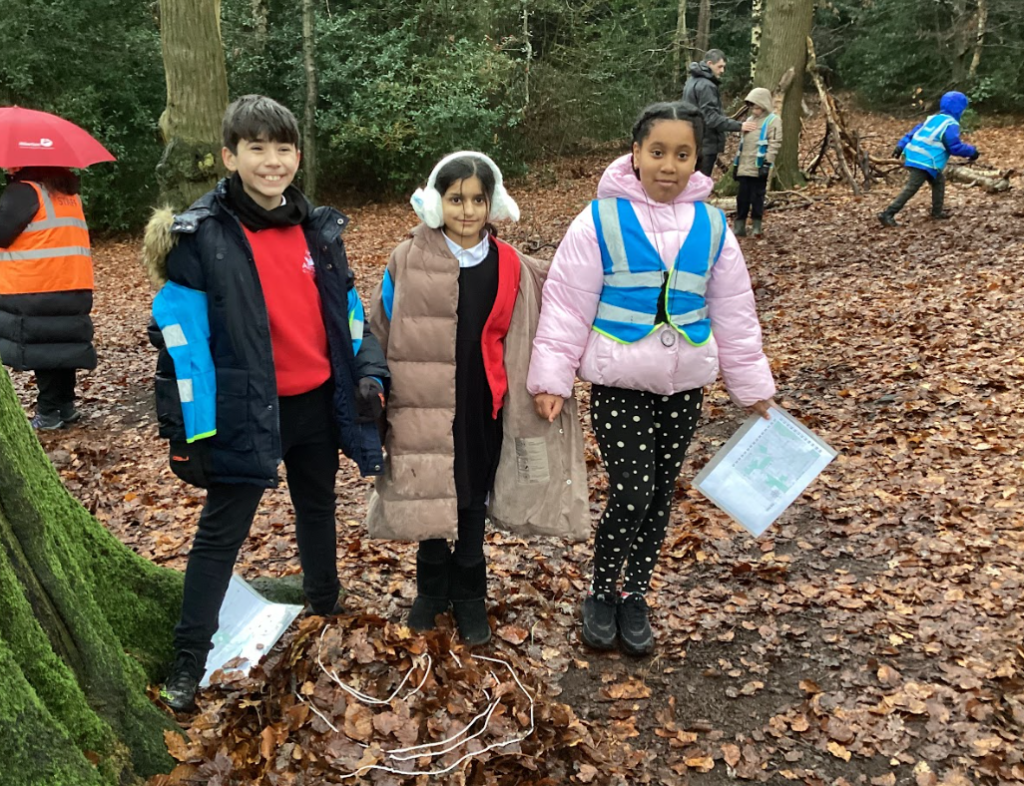
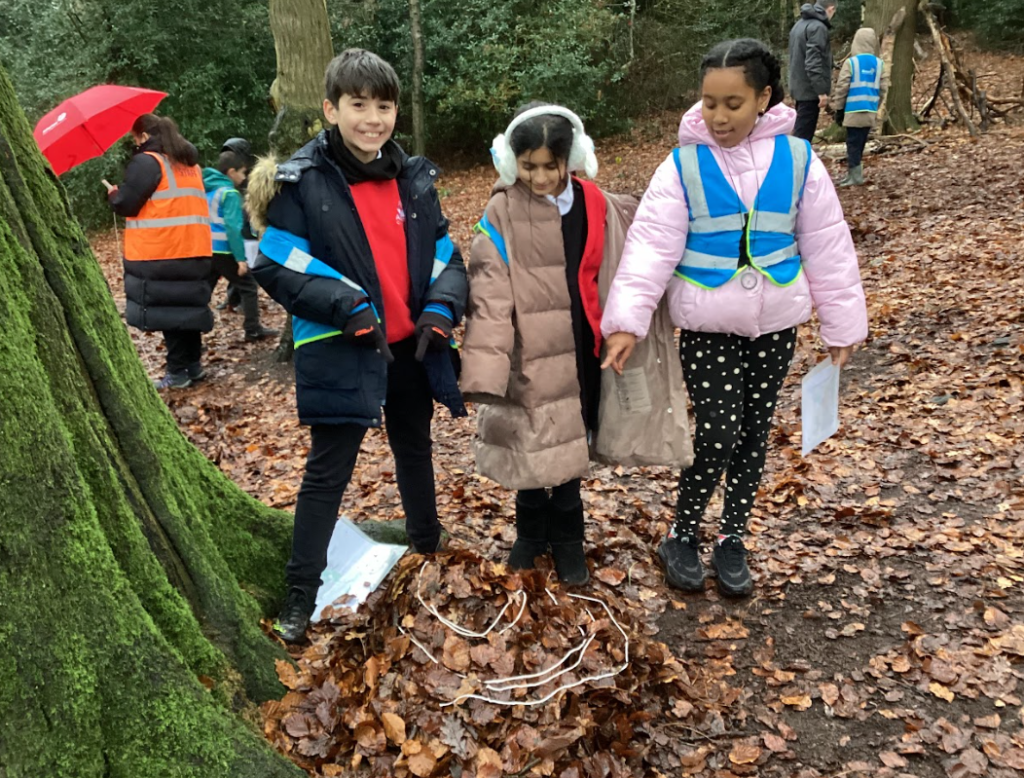
Adventure was in the air as Class 5A set off on their local expedition! Equipped with maps and compasses, our young explorers expertly navigated the winding paths toward the woods, mastering the art of orienteering along the way.
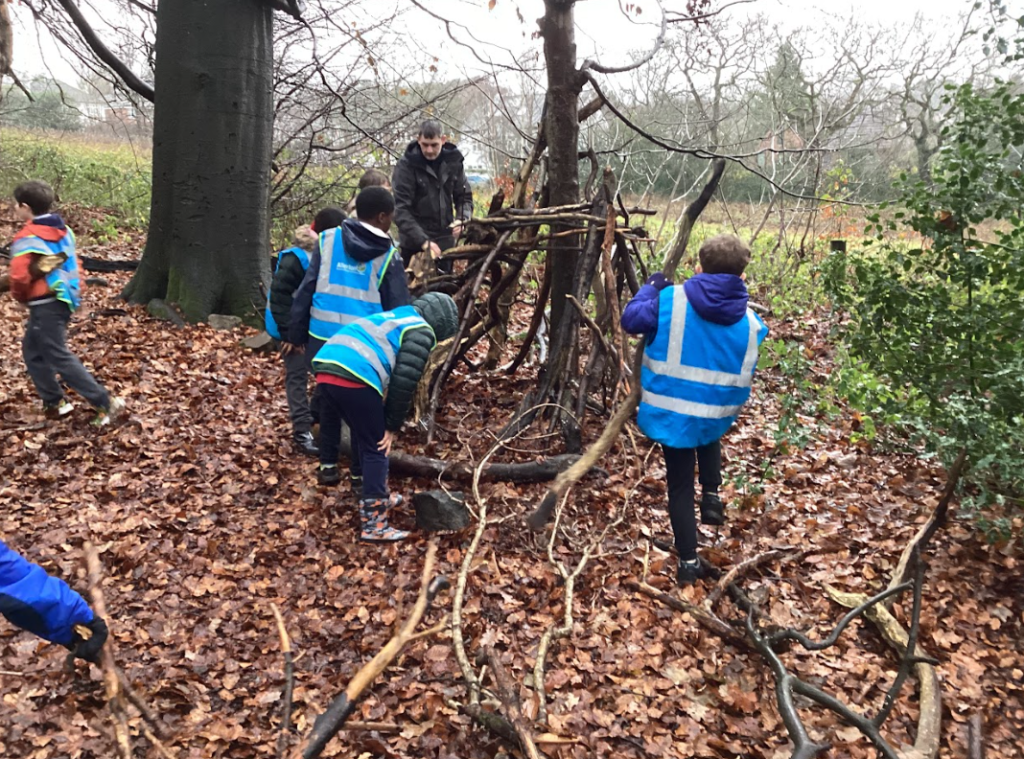
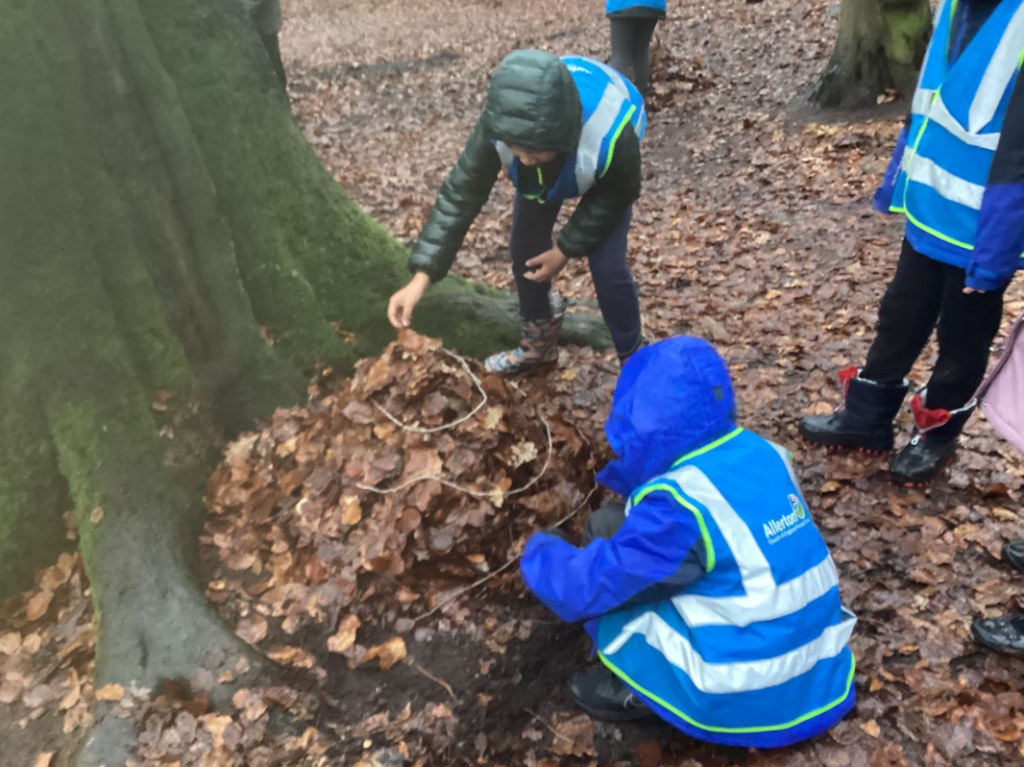
Once under the canopy, the real teamwork began. The children gathered branches and foliage to construct impressive dens, showing great architectural flair. To wrap up the day, they used colourful leaves and string to create detailed topographical maps on the forest floor, representing the terrain they had just traversed. It was a fantastic day of hands-on geography and outdoor creativity!
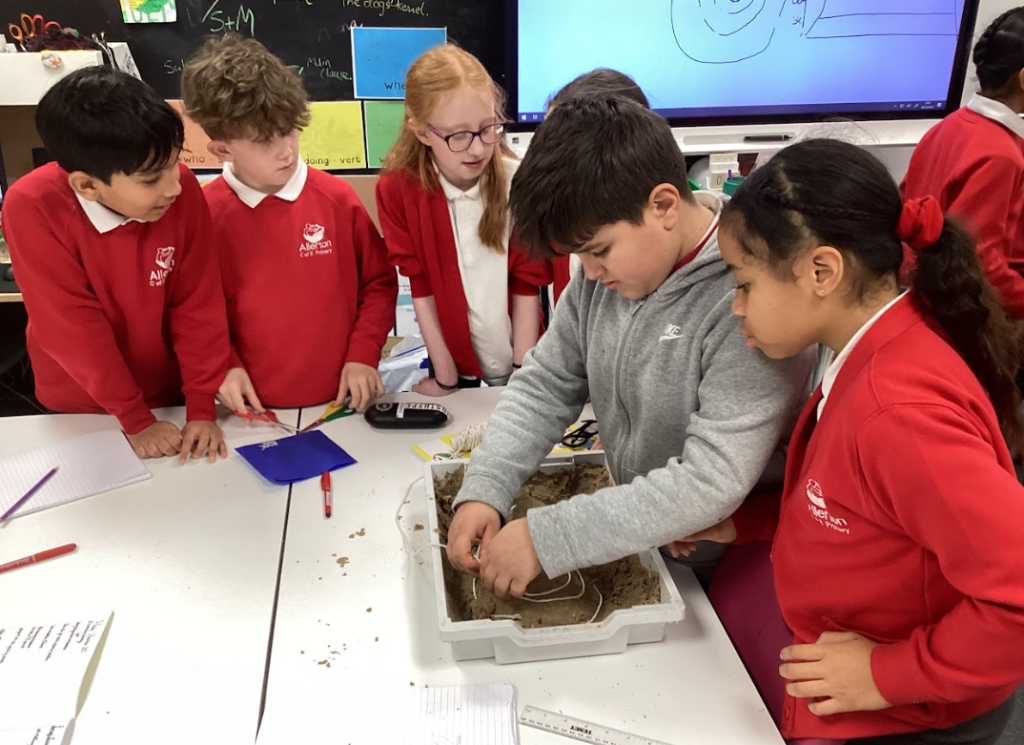
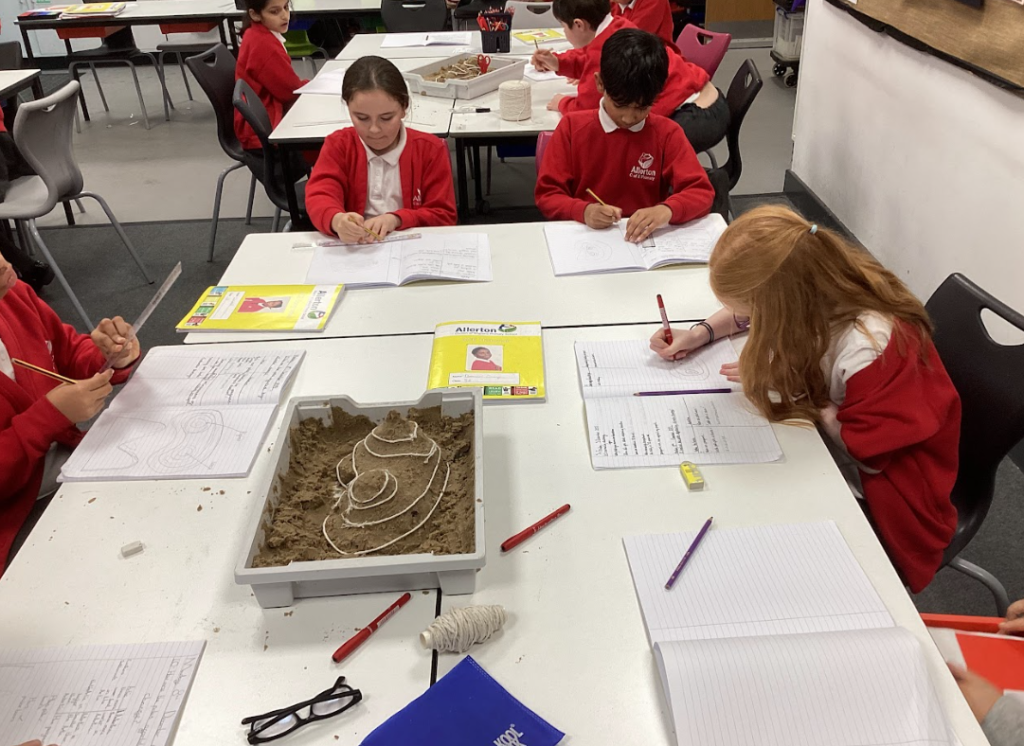
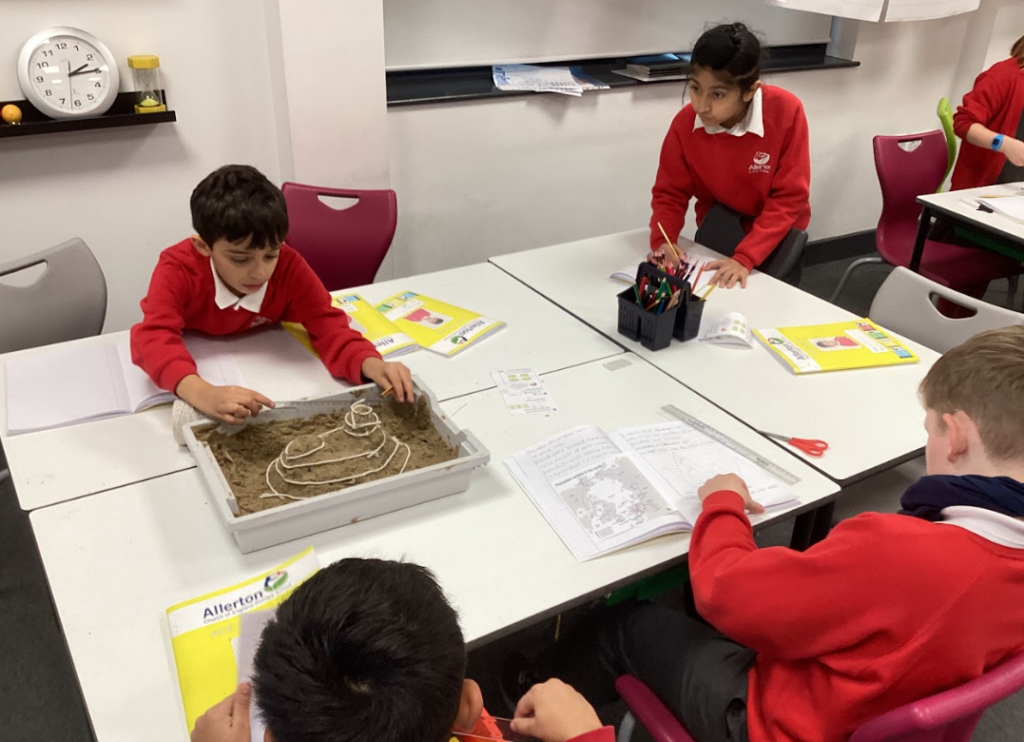
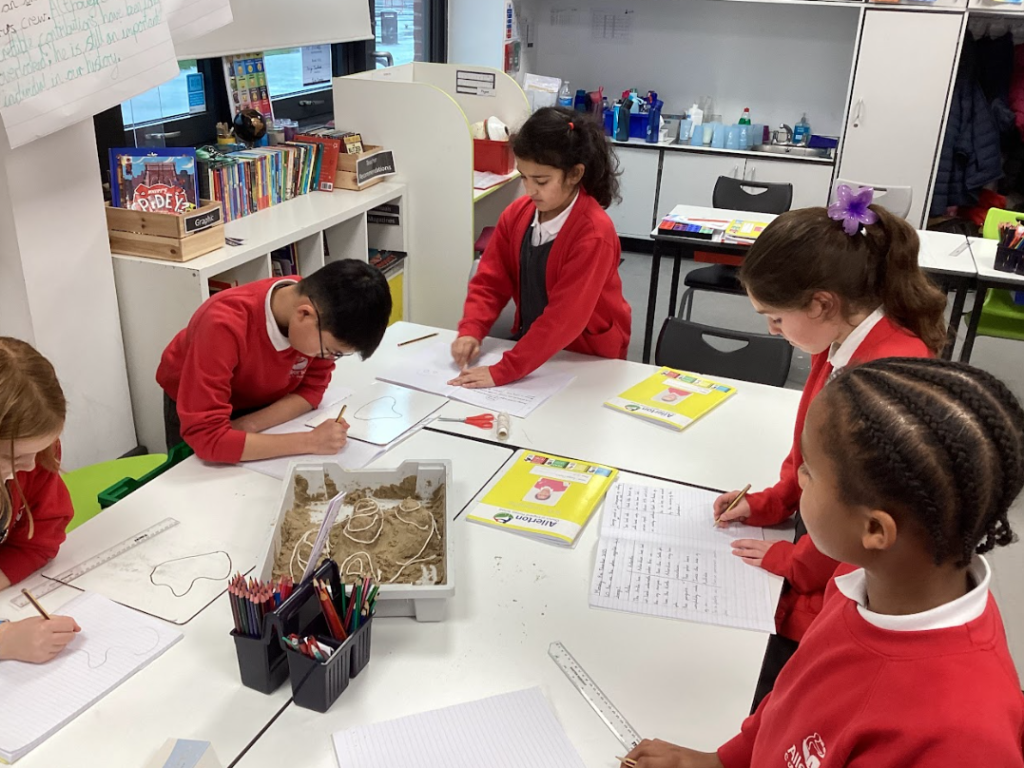
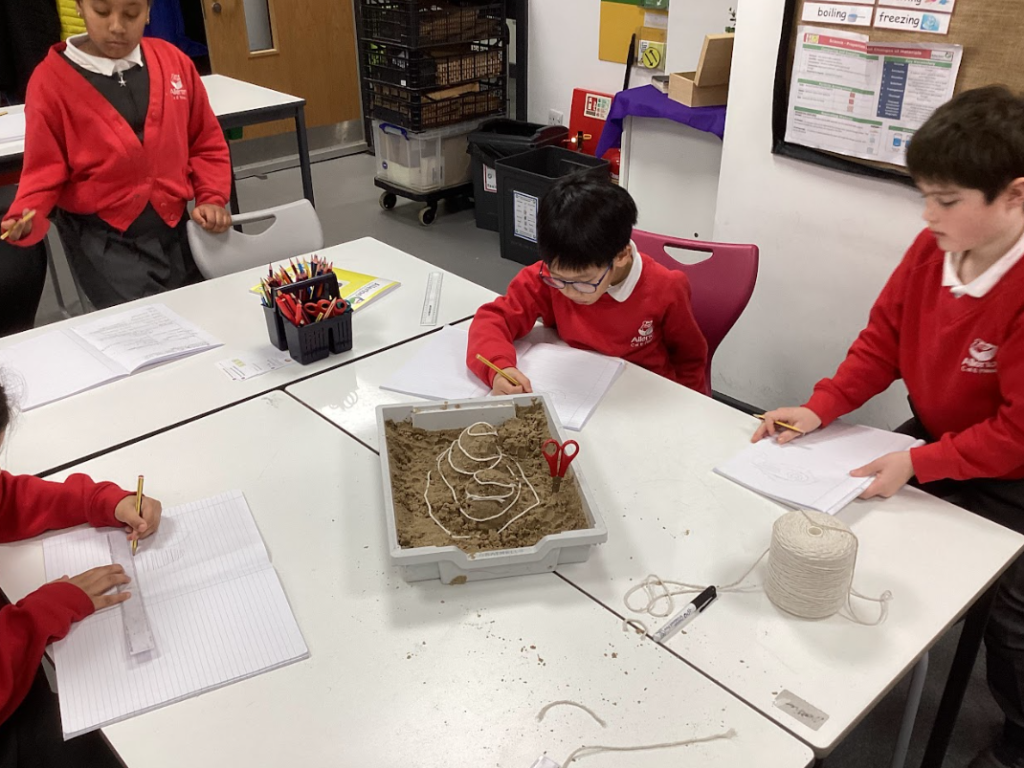
The children in a Geography lesson before the half-term were looking at topographic maps which show elevation from sea level and how high certain terrain is. We used this to look at where glaciers in the world are and compared it to areas of high topography to search for patterns. As topographical maps can be a challenging concept to cover, I decided to give the children a different way of using them.
The children ended up making their own sandcastle mountain terrain and used string to mark the lines of topography around the “mountains”.
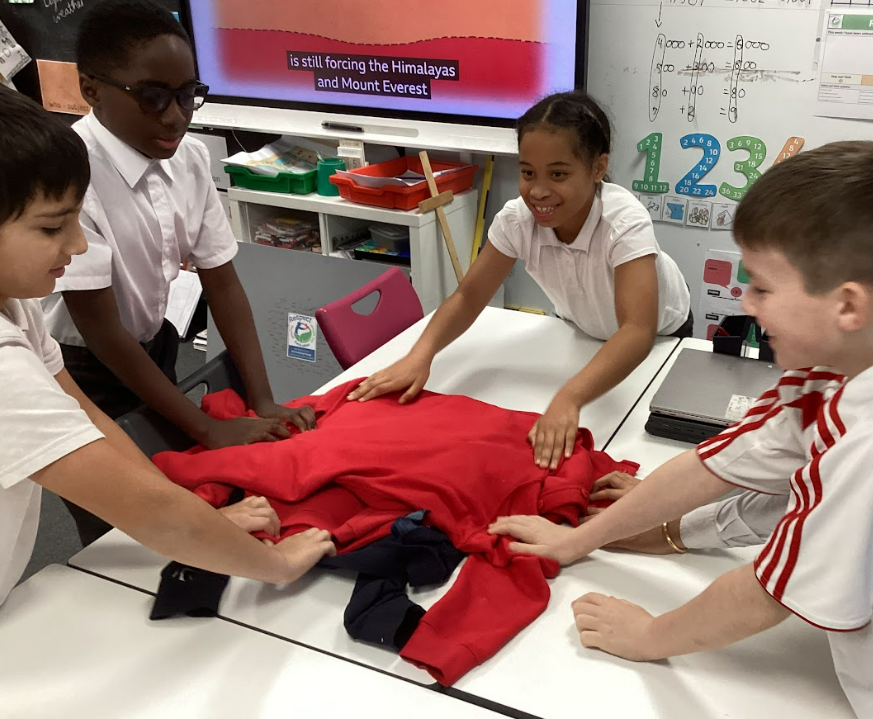
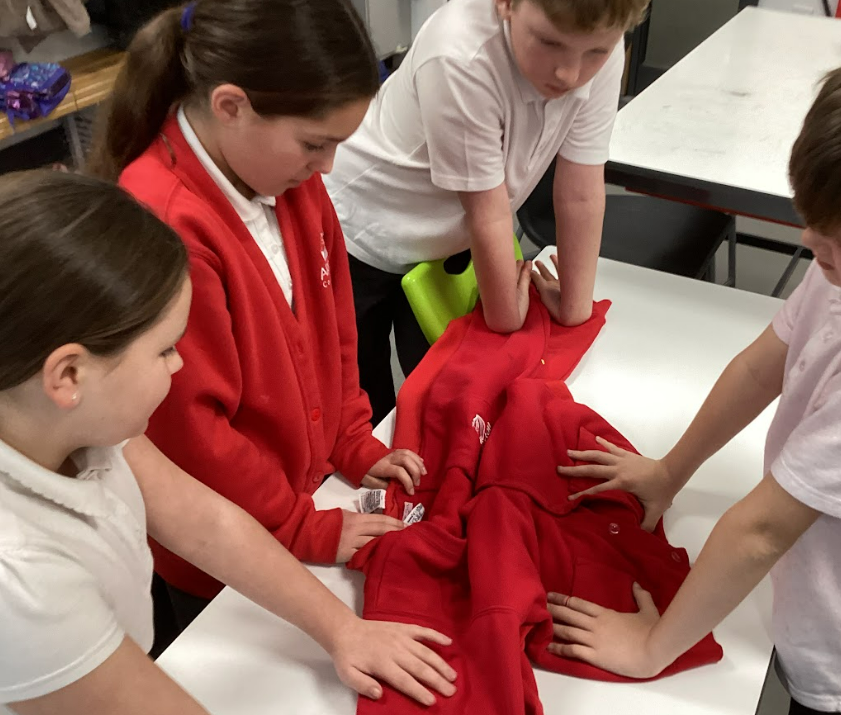
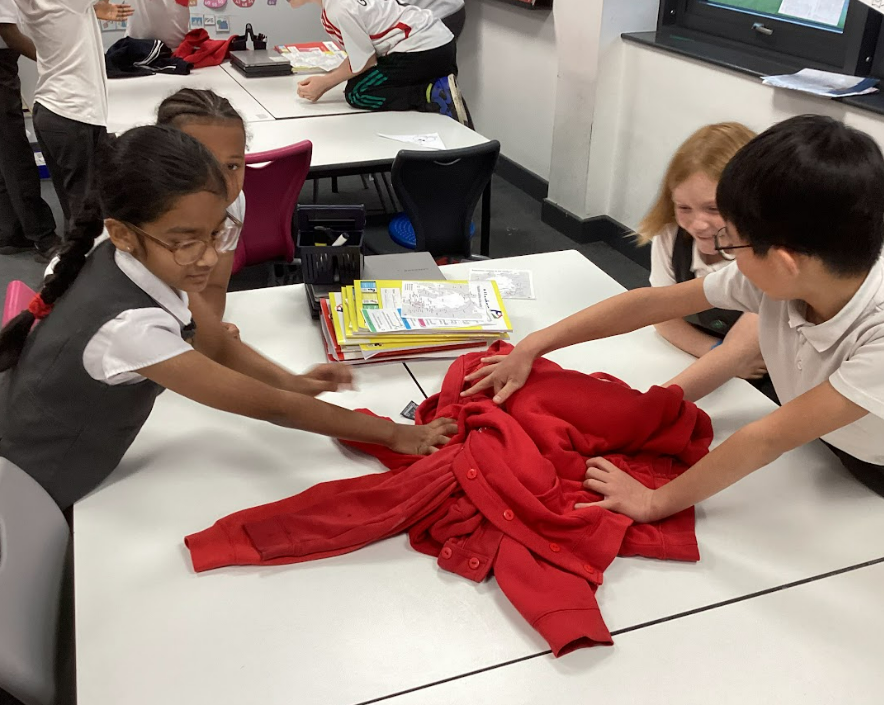
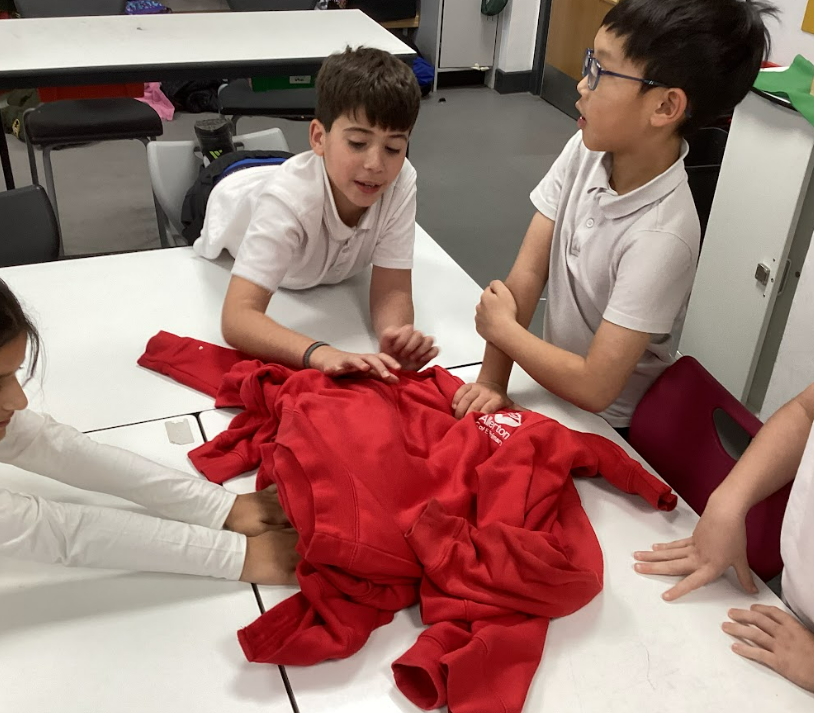
Year 5 took a deep dive into the Earth’s powerful geography, learning all about tectonic plates. We discovered that the Earth’s crust is made of huge, moving pieces, and their collisions create spectacular landscapes. To understand how this happens, we used a brilliant, hands-on model: layers of jumpers!
By pushing the edges of the fabric together, we watched the jumpers wrinkle and rise into fold mountains, just like the Himalayas. This memorable demonstration showed us how slow, immense forces underground shape our world. We now know that our clothes can teach us complex geological processes! It was a brilliant, practical lesson.
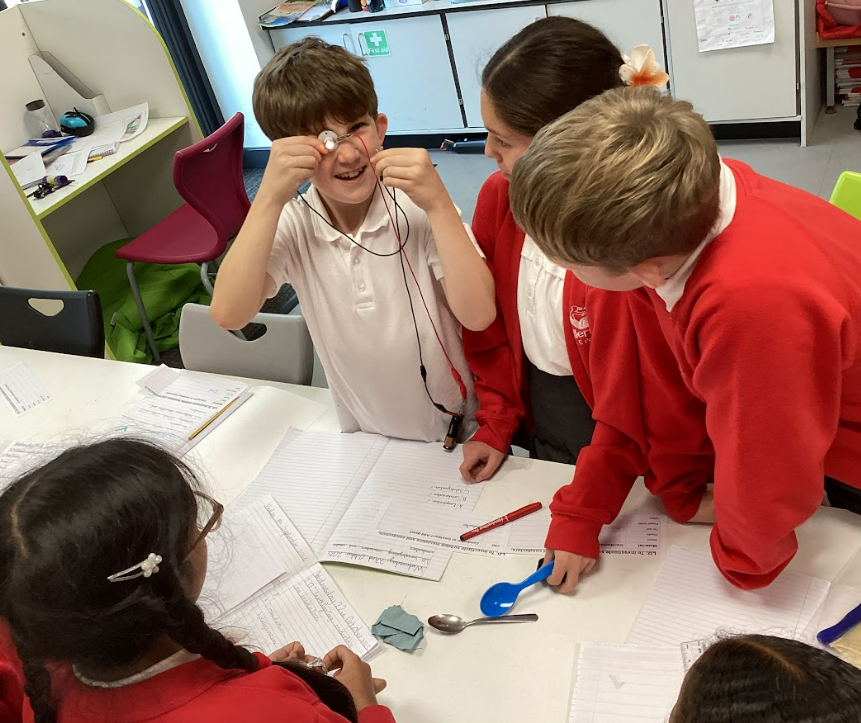
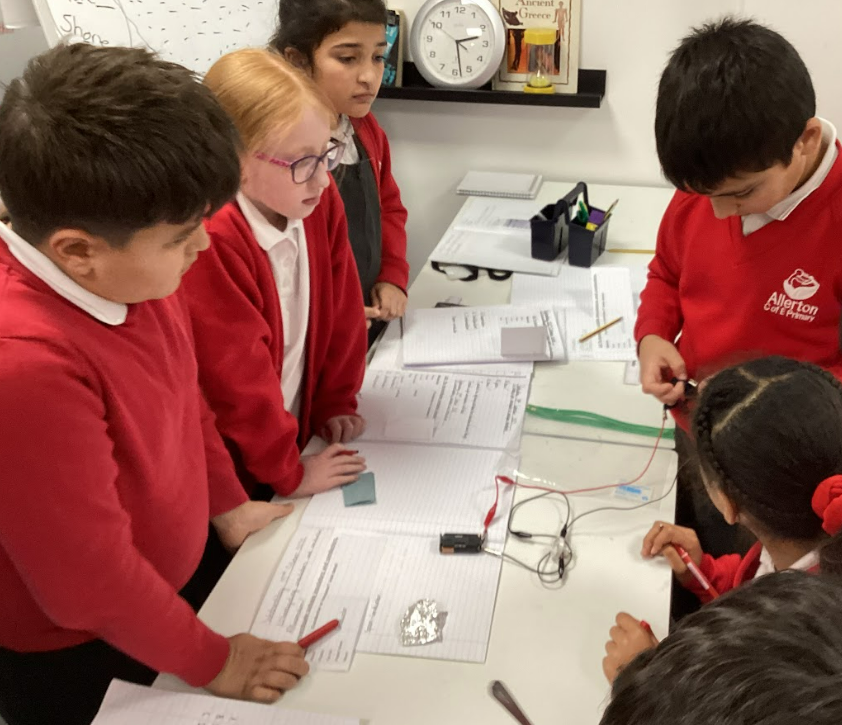
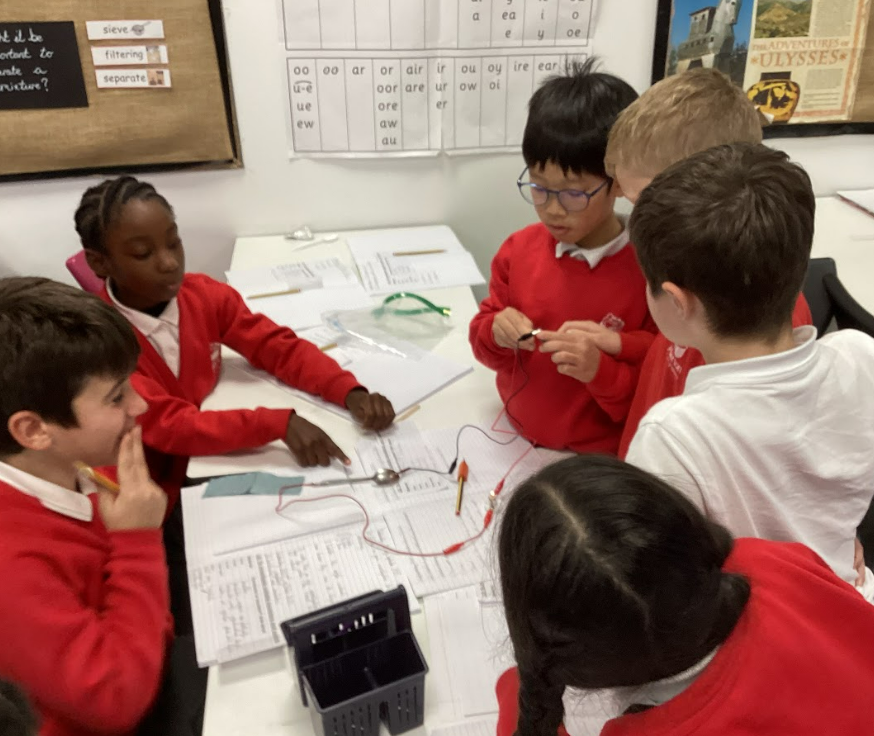
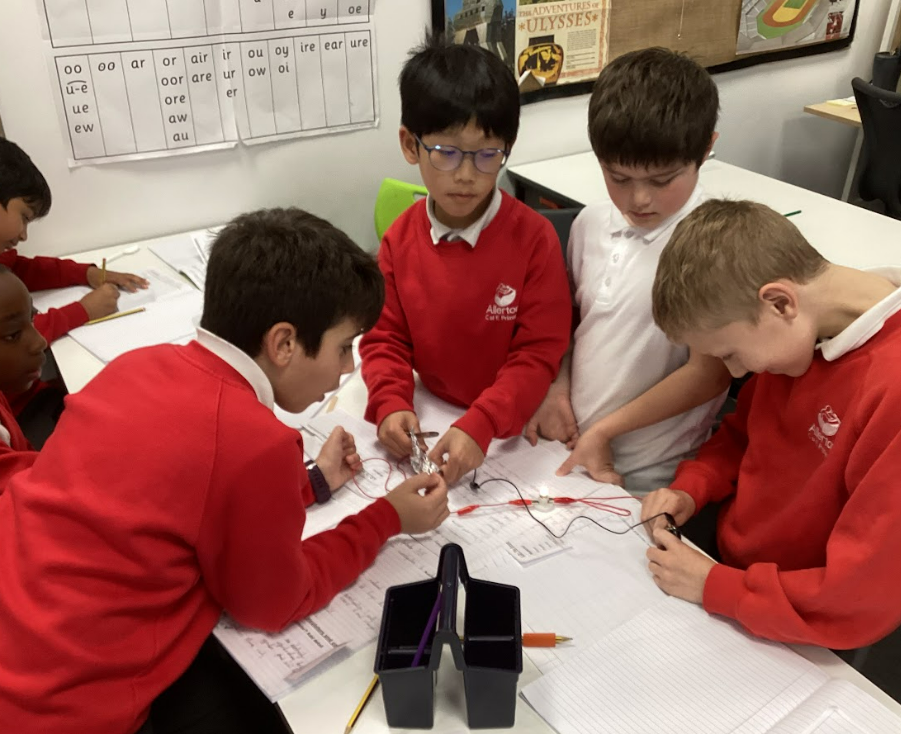
Year 5 became electricians this week, investigating which materials can conduct electricity using simple circuits! We built a simple series circuit consisting of a battery, wires, and a small light bulb, leaving a gap to test different objects.
Our mission was to test everyday items like coins, keys, plastic rulers, and rubber bands to see if they completed the circuit and lit the bulb. We learned quickly that materials that allow electricity to flow, like the metal key, are conductors, and those that block it, like the plastic ruler, are insulators. This fantastic hands-on lesson proved how essential these properties are in everyday life, from wiring to safety!